.png)
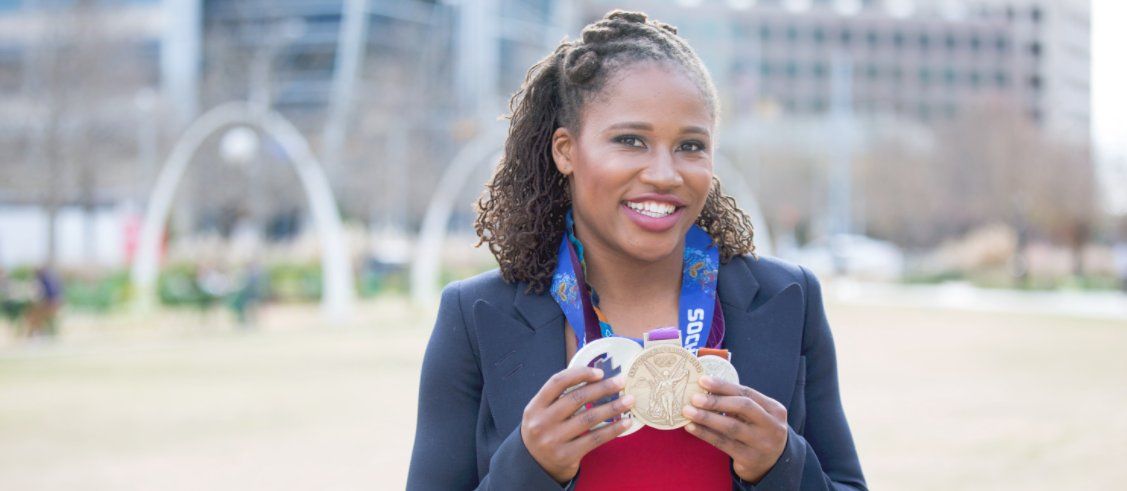
In this episode of the Status Check with Spivey, Mike has the opportunity to have a conversation with Lauryn Williams, four-time Olympic athlete and financial advisor with a specialty in student loans. In addition to discussing Lauryn's life and experiences as an Olympian, they also talk about the differences between taking out student loans for undergrad vs. for law school, income-driven repayment plans, public service loan forgiveness (PSLF), how to save for retirement while paying off your student loans (and the perhaps surprising tax benefits of doing so), and more.
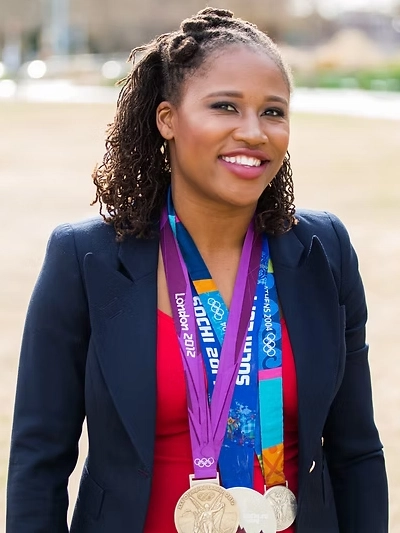
As an Olympic sprinter and later bobsledder, Lauryn earned the accolade of being the only American woman to have won medals in both the summer and the winter Olympics. Today, she is a financial advisor, student loan expert, author, and podcaster specializing in improving financial literacy in young people and athletes. Lauryn's book, The Oval Office, is out now, and also be sure to check out the Student Loan Planner podcast and the podcast Lauryn hosts, Worth Listening.
You can listen and subscribe to our podcast on Apple Podcasts, Spotify, YouTube, SoundCloud, and Google Podcasts.
Mike also references the legal field's bimodal starting salary distribution in this podcast. See below (via NALP):



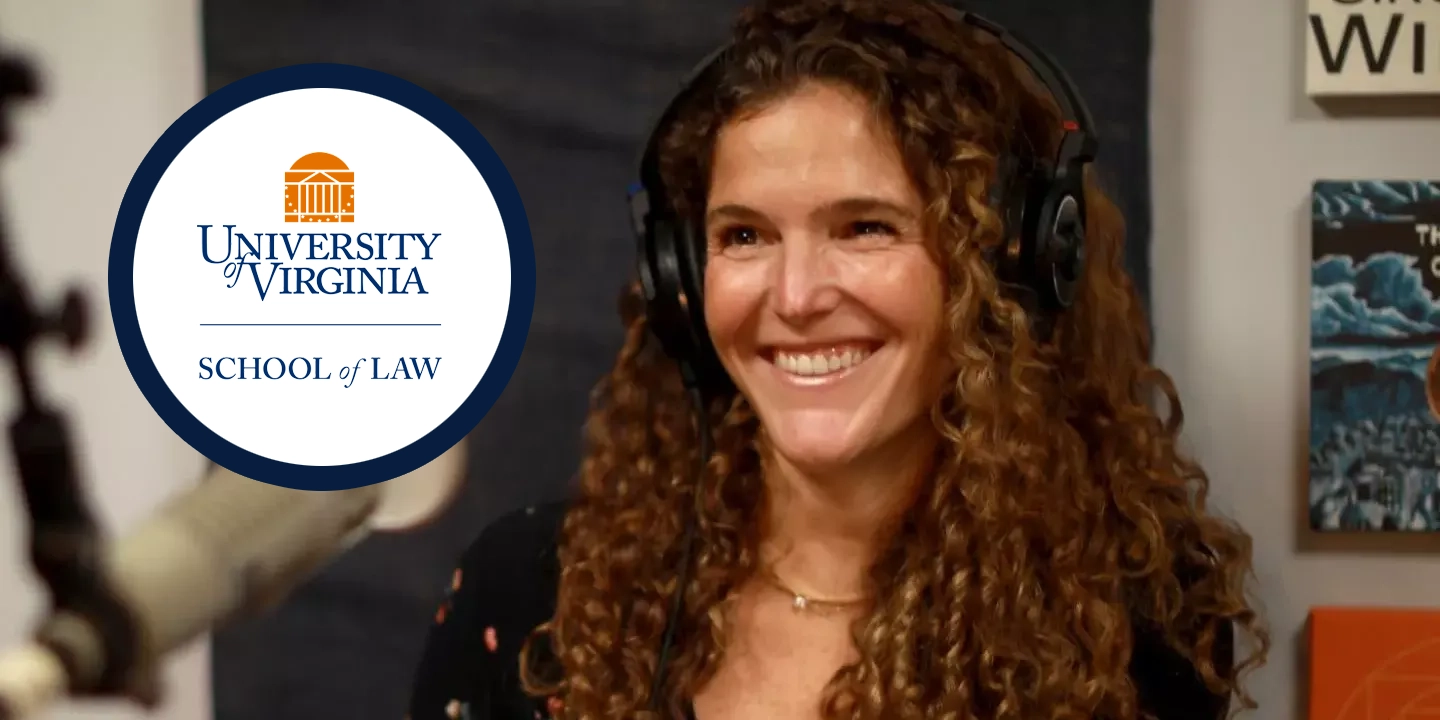
In this episode of Status Check with Spivey, Mike and Anna interview Natalie Blazer, the Dean of Admissions and Chief Admissions Officer at UVA Law. Mike and Dean Blazer discuss the unusual nature of this past 2025-2026 admissions cycle (2:11), why Dean Blazer loves waitlists and why this past cycle ran about three months longer than usual (4:32), why having high numbers means less for an applicant now than it did in the past (10:59), the “prisoner’s dilemma” of increasing medians (13:59), predictions for the upcoming 2026-2027 admissions cycle (15:21), the impact it can make for an applicant to submit in September (17:14), why admissions interview matter more now than ever (20:12), Mike’s two best pieces of admissions advice (21:54), and Dean Blazer’s two best pieces of admissions advice (23:22).
Then, Anna and Dean Blazer discuss Anna’s biggest admissions mistake/piece of advice (26:50) before answering questions from Reddit: why UVA’s LSAT and GPA medians stayed flat this year (28:47), how the tough job market for new college grads influences how admissions offices look at resume gaps (32:45), whether retaking a 173 or 174 is a red flag (38:04), whether Dean Blazer anticipates medians continuing to rise (43:34), advice for reapplying to UVA Law (46:56), and the “soft” factors Dean Blazer values most (49:40).
Dean Blazer’s podcast, Admissible, is available here. Listen to the episode she mentions, one of her favorites, with a successful reapplicant here.
You can listen to our previous episodes with Natalie here: 2025 | 2023 | 2022
You can listen and subscribe to Status Check with Spivey on Apple Podcasts, Spotify, and YouTube. You can read a full transcript of this episode with timestamps below.

In this episode of Status Check with Spivey, Anna Hicks-Jaco is joined by Spivey consultant Meg Krishnan, former Director of Admissions and Programs at UChicago Law, for a conversation about preparing for law school admissions interviews. Meg spent nine admissions cycles at UChicago Law, ultimately running the school’s interview program and personally conducting thousands of admissions interviews. She shares what admissions offices are looking for in interviews and how applicants can prepare in a way that feels confident, natural, and intentional.
They discuss the different roles interviews can play in the admissions process and the different formats applicants may encounter (3:51); what an interviewer may review from your application before speaking with you (6:55); how to prepare your “why law” answer using Meg’s “ghosts of Christmas” framework of past, present, and future (9:08); and how to start researching and preparing for “why this law school?” questions well before receiving an interview invitation (12:18). Meg also shares a simple method for keeping track of school-specific research over time (15:52); what to prioritize once you actually receive an interview invitation, from logistics to reviewing your own application materials (19:35); and why applicants should practice from bullet points rather than scripting and memorizing their answers (24:28).
Anna and Meg also dive deeper into what makes a strong “why X” answer and the importance of connecting what a law school offers back to your own experiences and strengths (28:54); common interview mistakes and how to recover when something goes wrong (31:55); strategies for building confidence before an interview, including an exercise from psychologist Dr. Guy Winch (41:09); and practical ways to reduce distracting filler words and become more comfortable with pauses (43:36). They close with advice on taking care of yourself throughout the process, learning how to reset after a difficult moment, and remembering that receiving an interview invitation itself means the law school is interested in you (51:43).
A note on interview formats: Much of the advice in this episode is most directly applicable to invited interviews and one-on-one interviews with a human interviewer. However, many of the preparation strategies discussed also apply to other formats, including Kira and other prerecorded interviews.
Related resources: For a broader overview of law school interviews, including different interview formats and additional preparation advice, see our Interview Strategy Deep Dive with Former Law School Admissions Officers podcast. For more on the types of questions applicants may encounter, listen to Five Categories of Law School Admissions Interview Questions & How to Answer Them, with former Harvard Law Director of Admissions Karen Buttenbaum—including a bonus sixth category of curveball questions.
For more advice and resources on researching individual law schools and developing a strong, differentiated “why X,” see our Why X Essay Deep Dive: Advice from Former Law School Admissions Officers podcast episode. Anna also references our earlier conversation with psychologist Dr. Guy Winch, Dr. Guy Winch on Handling Rejection (& Waiting), which includes the confidence exercise discussed in this episode.
You can listen and subscribe to Status Check with Spivey on Apple Podcasts, Spotify, and YouTube. You can read a full transcript of this episode with timestamps below.

Originally published in 2021, this conversation with Dr. Gabor Maté explores self-doubt, stress, anxiety, addiction, and the pressures that can come with pursuing ambitious academic and professional goals.
Mike Spivey speaks with Dr. Maté, world-renowned physician and author of In the Realm of Hungry Ghosts, When the Body Says No, and The Myth of Normal, about how these challenges can affect prospective law students and others navigating high-pressure environments.
One of Dr. Maté’s insights for prospective and incoming law students:
“You're going to look at all your confident classmates, and you're going to go in there with all manner of self-doubt. You're making the big mistake of comparing their outside with your inside. You have no idea what their inside is like. And believe me, you're not the only one.”
This episode is a re-release of our 2021 conversation with Dr. Gabor Maté.


