
We have spent a great deal of time browsing and evaluating the websites of every ABA-approved law school, and we identified the following 15 as the strongest examples.
Dear [Insert applicant's Last Name and LSAT score and Identifying Information for our Massive Listserv].
If you are a fan of writing, of well-written letters, or have to write one yourself (it is all but assured you will), check out these 5.
Check out the links and give it a try!
List of where presidential candidates attended law school.
The U.S. News & World Report law school rankings have changed quite a bit over the years. In 1987, the methodology included just one metric—the percentage of law school deans who ranked the school, in their subjective estimation, as a "top 10 law school." See below the resulting top 20. As a bonus, you can also see what tuition rates looked like in 1987—the highest figure of which is under $14,000 (Columbia), and the lowest of which is just $4,500 (UT Austin—which is out-of-state) (note that all
For Halloween this year, we'd like to share some peculiar stories from some of the Spivey consultants' days as admissions officers.
Methodology: The Spivey consultants voted on their favorite, most beautiful college campuses that they've visited (and we have visited hundreds upon hundreds cumulatively in our careers), and these are the top 17. How did we pick 17? It was the cut-off point where each school had been voted on by at least two of us. You may think that there are some blatant, egregious exclusions, and that's probably true—there are so many beautiful colleges and universities, one of the best parts of admissions
From a law school applicant who has extensive web development experience and who incredibly generously agree to look at all ABA law school websites to pick their collective top 10.
In this episode of Status Check with Spivey, Mike has a conversation with Justin Kane, Spivey Consulting's Director of Business Intelligence and resident rankings expert, about recent developments in the U.S. News & World Report Law School Rankings.
If you haven't already heard, a number of law schools have recently announced that they will no longer be participating in the rankings. But what does that actually mean? Why are they doing it, and why now? What impacts might it have on applicants, law students, and legal education as a whole—both this current cycle and down the line?
You can find an up-to-date list of law schools that have announced they will no longer be participating in the rankings here.
Important Disclaimer: At this point, all of our forward-looking thoughts are purely speculation. We can't emphasize enough that we don't know yet what U.S. News is going to do—no one does, not even U.S. News itself. This is an actively-evolving situation in the short term, and the longer-term effects are even more difficult to predict. This episode is meant to provide an insider look into what law school administrations and other major legal education stakeholders are thinking about right now, but we can't predict the future.
You can listen and subscribe to Status Check with Spivey on Apple Podcasts, Spotify, Stitcher, YouTube, SoundCloud, and Google Podcasts.
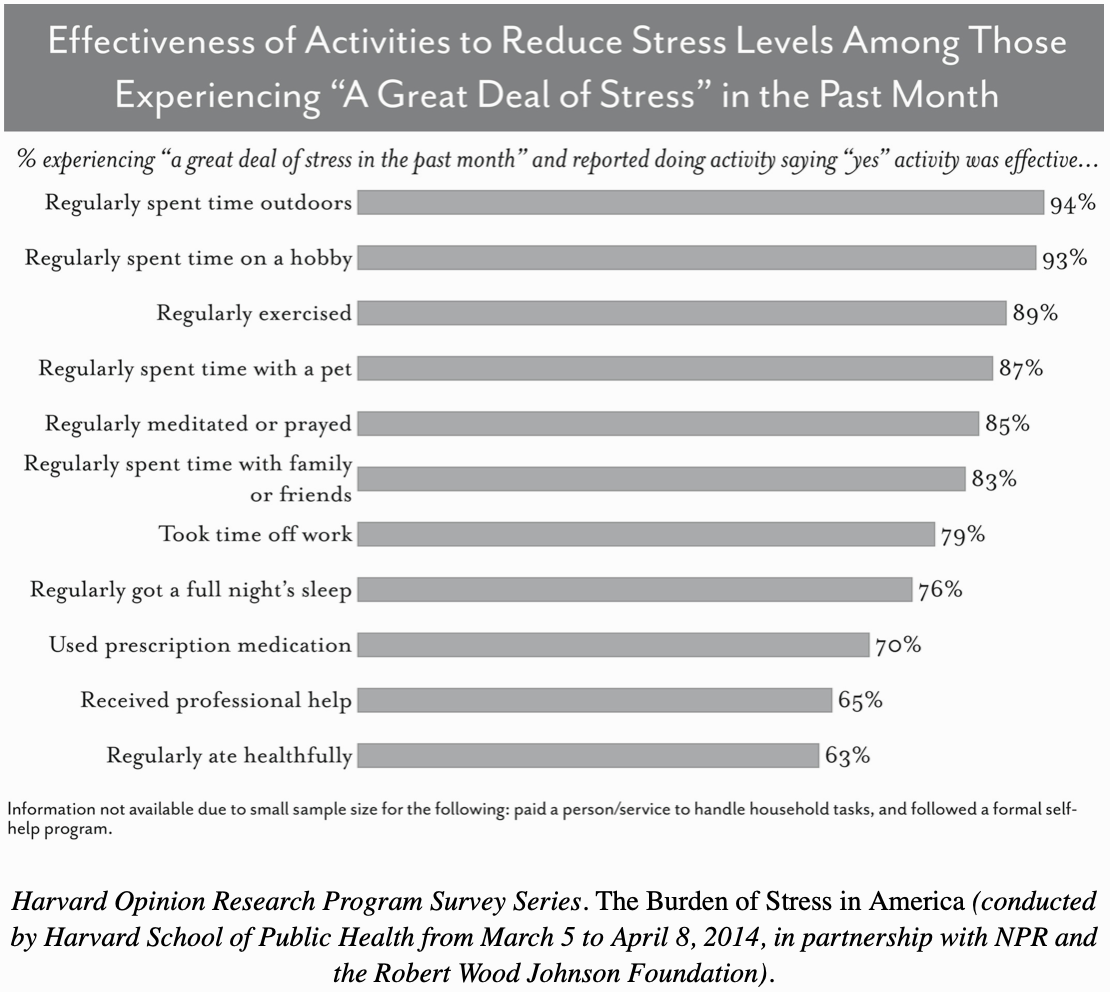
In this episode of Status Check with Spivey, Mike interviews Jordana Confino, Assistant Dean of Professionalism at Fordham Law School, about ways that law school applicants and students (and in fact, any applicant or student) can healthily cope with and reduce stress and increase overall happiness and well-being. Jordana is a graduate of Yale University and Yale Law School, and in her current role at Fordham, she develops and delivers programs designed to promote student wellness, mentorship, and professional identity formation. She is also an Adjunct Professor at Fordham, teaching courses on “Positive Lawyering” and “Peer Mentoring & Leadership.” She was voted Fordham Law Adjunct Professor of the Year in 2021.
In this interview, Jordana discusses her academic and professional history, how law school and legal practice impacted her well-being, and specific tactics applicants and students can employ to improve their own mental and emotional wellness in stressful, high-pressure environments.
You can listen and subscribe to Status Check with Spivey on Apple Podcasts, Spotify, Stitcher, YouTube, SoundCloud, and Google Podcasts.
Mike and Jordana discuss a number of psychology researchers and experts throughout their conversation, including the groundbreaking work of Dr. Kristin Neff in the field of self-compassion—you can listen to our interview with Dr. Neff here. Mike also mentions a graph near the end of the episode that we have included for your reference below:
In this short episode of Status Check with Spivey, Mike offers some optimistic news for law school applicants who may not have yet received any admits.
You can listen and subscribe to Status Check with Spivey on Apple Podcasts, Spotify, Stitcher, YouTube, SoundCloud, and Google Podcasts.
In this episode, Mike gives his thoughts on whether law schools will be able to maintain their historically high LSAT/GPA medians after the 2022-2023 admissions cycle.
Spivey Consulting Availability Notes:
You can listen and subscribe to Status Check with Spivey on Apple Podcasts, Spotify, Stitcher, YouTube, SoundCloud, and Google Podcasts.
Note: You may notice that the numbers we cite sometimes vary slightly from the volume data that LSAC publishes. This is because LSAC reports only an applicant's ultimate high LSAT score, even if they didn't achieve that score until months or even years after the date in question. For example, if someone applied in 2021-2022 with a 160, then retook the LSAT the following fall and scored a 170 to reapply for 2022-2023, LSAC's data would include them as an applicant with a 170 even in the 2021-2022 data. To avoid this effect, we record applicant volume daily in real-time so that we can later compare to the data as it actually was on that date, rather than factoring in any new LSAT scores that were achieved after that date.
In this episode of Status Check with Spivey, Mike gives an update on 2022-2023 cycle data and discusses admissions strategies for the second half of the application cycle: waitlists and letters of continued interest, tips for asking for scholarship reconsideration, and handling the waiting/anxiety. (It may surprise you how impactful that last item can be to your outcomes!)
Mike recorded this episode before final January 2023 LSAT data was out—you can find the latest update on our Twitter, here. A few other Status Check episodes are mentioned in this podcast as well:
You can listen and subscribe to Status Check with Spivey on Apple Podcasts, Spotify, Stitcher, YouTube, SoundCloud, and Google Podcasts.
In this episode of Status Check with Spivey, Mike talks about the different factors that precipitate waves of law school admissions decisions being released, especially late in the cycle/during waitlist season.
You can listen and subscribe to Status Check with Spivey on Apple Podcasts, Spotify, Stitcher, YouTube, SoundCloud, and Google Podcasts.


