Please note that moving forward podcasts over 45 minutes will not be transcribed.
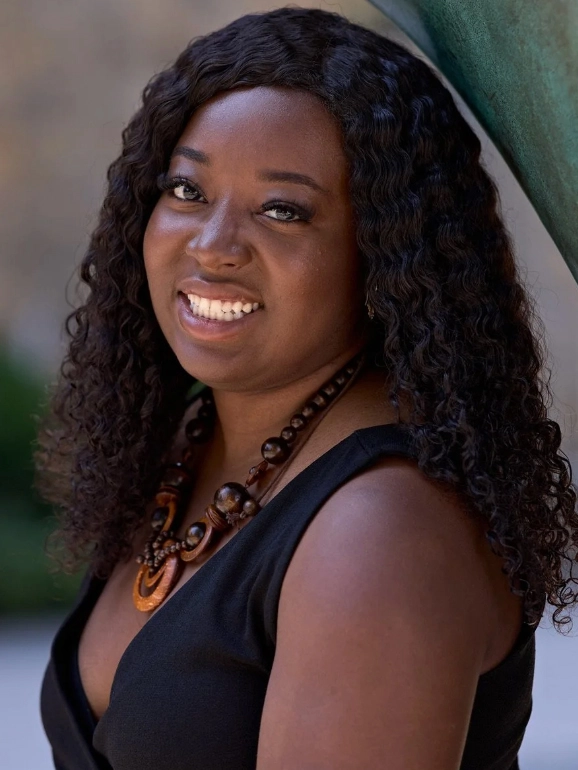
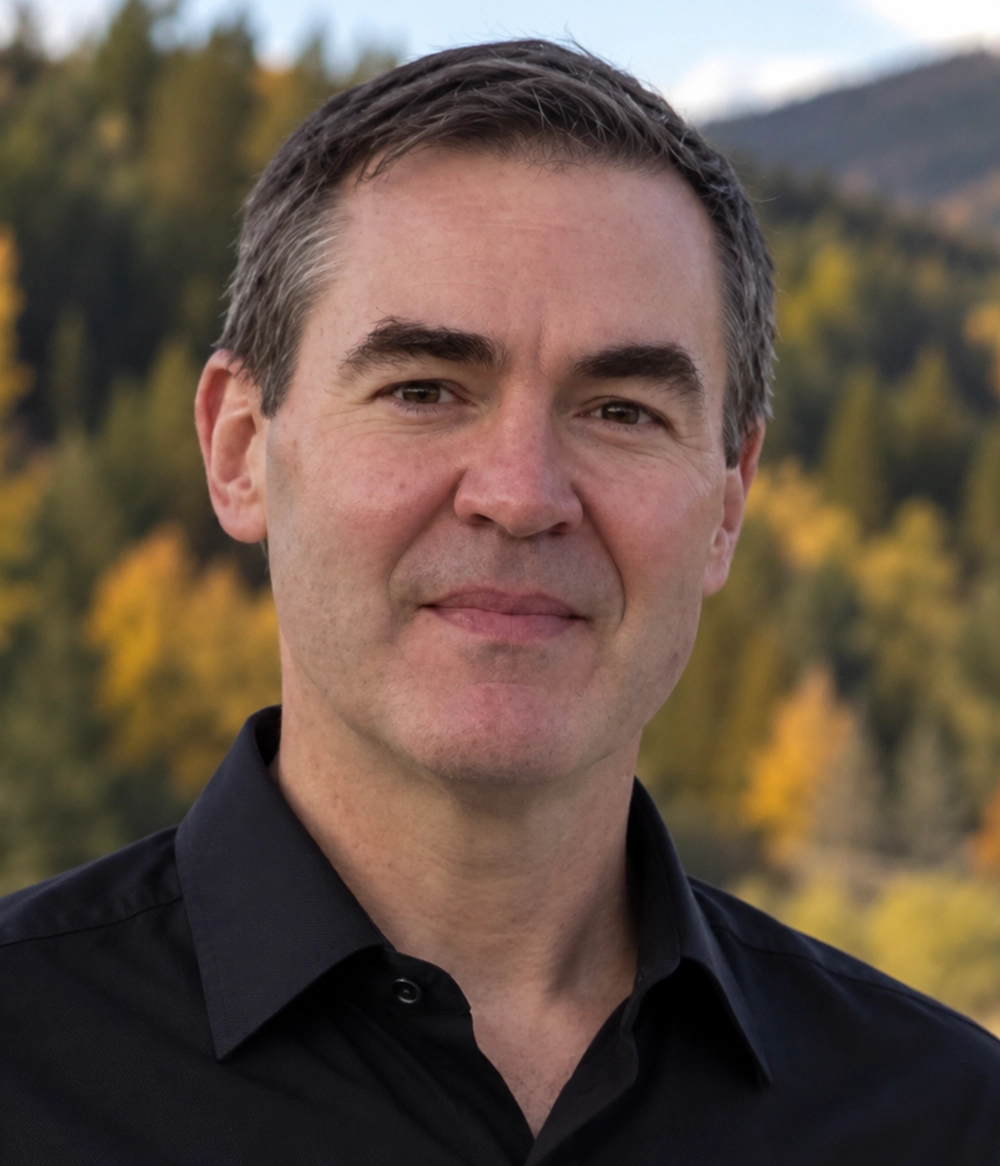
Mike: Welcome to Status Check with Spivey, where we talk about life, law school admissions, law school, a little bit of everything. Today, I am very fortunate to be joined by two wonderful people: Sydney Montgomery, who is the founder of S. Montgomery Admissions Consulting — I’m not going to go deep into our backgrounds because we talk about that at the beginning of the podcast — and also Derek Meeker, one of my business partners who was the Dean of Admissions at Penn Law and who I’ve probably known for about 15 years.
We really focus on two elements today. The first is diversity, the challenges — and Sydney and Derek have such a sincere and authentic way of describing the challenges they faced in the admissions process, as students, undergrad, as law school students, I think two things here, it’s going to open a lot of people’s eyes to sort of, wow you know, there are challenges out there I wasn’t aware of, and then also a lot of people are going to relate to what Derek and Sydney have to say. Yes, I’ve seen that upfront and personal.
We then shift gears to adversity, and we really click on, if you’ve had trauma in your life, is it appropriate to talk about that trauma in the admissions process, when is it appropriate, when is it not? When is it telling something about yourself that connects the dots to law school versus when is it sort of trying to sell yourself and not connecting the dots? How is it presented in a way that admissions would want to read it or how should you not even consider talking about it?
We end on, I think, something that everyone wants to know more about. When is early, when is normal, and when is late in admissions? Because I think there’s a lot of false sort of notions out there about early, normal, late. This is a really deep dive into diversity, adversity, with I think a strong ending for everyone, and I hope you enjoy it, I hope it’s value added. Without further delay, let me hand it over.
Hi, this is Mike Spivey, and I am joined with Derek Meeker, a partner at my firm, and Sydney Montgomery who has her own firm. I think our listeners know what we do. We do a lot of admissions consulting for applicants. We help law schools sort of navigate departmental issues that they may be having. We have a program called Pre-L where we help people prepare for legal writing and legal research. And more and more we’ve been doing a lot of pro bono work for financially challenged applicants. We’ve been doing a lot more, in fact Derek and I just dialed off a diversity committee Zoom. So, a lot more commitment to helping pipeline initiatives, and we’ve been doing more of these podcasts with people — experts, world experts in the mental health, mental wellbeing space. So please check that out if you are stressed about the process. We just interviewed Terry Real. He gave some great advice about maintaining self-esteem. That’s what we do — Sydney why don’t you tell us about what you do at your firm?
Sydney: Thanks so much Mike, and I am so excited and so happy to be here. So, thank you for having me. My name is Sydney Montgomery. I am the CEO of S. Montgomery Admissions Consulting. We provide personalized 9th through 12th grade college counseling and then also law school admission consulting. I specialize in working with first generation and minority applicants, although of course we serve everyone, all ranges of people and socio-economics.
One of the things that is really important to my company is the value of community and also mindfulness and wellbeing. So, one of the things that we do, is we have created student and alumni platforms so we actually connect our high school, our college, our law school, our lawyer, working professionals, together in one platform so they can have mentorships, so that they can form study groups, so that they can continue to have that professional development. I always tell students it’s not enough that I help you with your higher education applications, but I want to make sure that we set you up with the resources to apply when you do so.
So, we also are committed to content creation and also information dissemination. I have a free Facebook group Barrier Breakers Law School Edition, where we provide free information. We have the Break into Law School podcast. And then my company is partially faith-based, so we have the podcast Mindful Prayers for students where we give you a mindful moment, whether you believe in a Judeo-Christian faith or you just like mindfulness, it can be really helpful. And you know, people on the internet also know that I'm the girl that will pray over your LSAT exam. So, for every LSAT exam we usually do a live prayer over YouTube and Facebook and that sort of thing.
Mike: I think I need both a mentor and some prayer, Sydney, from you, if you could be so gracious.
Sydney: We can work that out.
Mike: Why don't we talk about the concept of barrier breakers — I think which delves into something that both you and Derek experienced breaking some barriers, in your family even probably. Sydney, you went to Princeton, you want to tell us about the Princeton and the Harvard journey and the challenges you faced in admissions and as a student?
Sydney: Absolutely. And it's really exciting actually, because we just got the registered USPTO mark for “Barrier Breakers.” So, I'm really thrilled about that. It's something that's very important to me because there are so many barriers to the first gen and minority students, and it's not even just the barriers that we see when we immediately think about, oh, test prep and access to information, but it's also breaking generational cycles of poverty and debt. You know, it's the fact that when you need something extra, you may be charging it on a credit card as opposed to, you know, mom and dad just writing a check. Yeah, I did go to Princeton and Harvard Law School. My parents, they were military. My mom's a Jamaican immigrant, and neither one of them went traditionally, they both got their degrees after they enlisted in the Navy. And I have a younger sister who's 17. So, there's a really large age difference between us.
My parents really valued education, really valued faith, but didn’t actually really know how to help me really navigate the process since it's not something that they went through themselves. And I really think I had some divine intervention because I chose schools based off of Gilmore Girls. I was very committed to going to Connecticut; I decided it was the place for me. I did not go to school in Connecticut. So clearly, I was wrong. But, you know, I had teachers that really helped me get into Princeton, and I learned a lot about affordability and admissibility. I negotiated our financial aid package myself; I didn't even know what I was doing or that there was a formal process. I just showed up and I was like, “Hey, this is literally not enough money.” Because I didn't know that you were supposed to choose schools on your list that were based on financial fits. I didn't know any of those things. And Princeton was the most affordable school at the end of the day for me. And I don't know how I would've ended up going to any other school. And I had really good pre-law advising at Princeton, but, you know, Princeton lost their pre-law advisor in my first year at Harvard.
Mike: Lyon Zabsky.
Sydney: I love Lyon. I called her last year, I think, sometime. I try to like stay in touch with people, I think networking and relationship building, I tell students like, you know, relationship building is important not just for a small season, but you never really know. And god, she was so instrumental to my career. And when I was at Harvard, the year that she left, I just thought if I hadn't had her, I really don't know what would've happened. And also, I did a summer paralegal internship the summer before I applied and I was still misguidedly choosing schools based off of, I don't know what.
And I wasn't even applying to Harvard or any school on a city. So, you can imagine what my list was like. And I had a student, a black student from University of Maryland who's there, and she was like, “Uh-um, we need to fix this list.” But I was so grateful that there were people who really intervened and saved me from myself during the admission process that it made me realize how many more students really could have had a different trajectory if they had had a little bit more guidance. So even guidance on, you know, what to take out for this. I signed so many loans. I had no idea what I signed, until I graduated law school and they made me do an exit survey and I had to figure it out.
There were so many little pieces that I just felt like I didn't have any guidance for, and I didn't know how to navigate certain worlds. And I was trying to make the best decisions I could. But at Princeton it was a culture shock, of course. I found a good community, but even at Harvard, I realized that even among the minority students, I still felt sometimes that there were things I didn't know, that I was afraid to ask or that people assumed that I knew because I came from Princeton and, you know, you don't need the extra help or whatever. But still lost in the sauce.
So that's kind of why I kind of do this, to give back, just to help people feel like, okay, you don't have to be so stressed. You don't have to be alone. You have people that you can ask those questions to. You have people that will guide you, that see the values in you. And that also tell you that you're more than a number, because I didn't realize — it was so crazy at the time when I applied, but I had very modest stats, and I never had anyone tell me that I shouldn't apply, which I guess is Lyon. Thank you. There are so many students that had my stats and my numbers who are probably getting that message and probably changed my life ,and I loved it and I love the support I continue to get.
Mike: I like every part of that story, and thank you for sharing.
Sydney: You are welcome.
Mike: Derek. I think you had maybe a similar and maybe a different experience.
Derek: Yes. Some similarities, some differences for sure. So, I grew up in a very small-town, blue-collar town in Ohio. I am a first-generation college graduate also. And when I look back on it, there were just so many things that I didn't know and I had to figure out on my own. I went to a community college for the first year for one thing, because at the time my parents couldn't afford to contribute anything. But I was so ashamed of that in a way, because so many of my peers were going off to their four-year colleges. And I remember making excuses as to why, I think I said something like I just didn't know what I want to do yet. So, I'm going to spend a year figuring that out, which was a total lie.
But basically, I realized that I am the only one who can help myself in a sense, right? Like I have to figure this out because my parents can't, in some ways. I did not want to continue living at home and going to that school. I wanted to go on to do other things. So, I had to figure out the financial aid process myself. My father was very reluctant to provide information, which I think is another common thing with first gen lower income students. Again, it's, I think — part of that is that shame and that pride and not wanting to share that information. So, I had to get over that barrier because, you obviously — you cannot apply for financial aid and scholarships without providing your parental information. And I just remember going, I mean, fortunately, there were workshops and those sorts of things at the school.
So, I just remember going to those and navigating all of that on my own so that I could actually transfer to a four-year school. So that was one barrier. And then I had to work. There were numerous jobs that I worked throughout college to help pay and just to do the things that I wanted to do. I remember very distinctly one of my first jobs was working at a bar actually. As a bar-back, and of course the hours are crazy, right? Like you don't get home until 3:00 A.M. or later when you're working at a bar. And I remember asking — this was in my first quarter after I transferred — and I remember asking a professor if I could change the date of my exam because of my work schedule. And his answer was no, maybe you could find a different job or you can change shifts or something like that, right? And I mean, so there were I mean two things with that. One is I very quickly learned: I'm an adult now, right? Like, it's that first lesson of, you don't get to do those things now, you have to abide by what the schedule is of the school and — right? So, the other thing is, part of why I worked at a bar is because we got a share of the tips and, you know, you are actually paid pretty good money. And so, to find another job isn't as easy as it sounds, right? Because a lot of those other jobs that have more normal hours don't pay as well. So, there are always going to be tradeoffs. So, piecing a lot of that together was often a challenge. The other thing is I was gay and very closeted at the time. I know we're going to get into little or more of this later because this gets more to how it affected me as a law school applicant.
But dealing with the internal stress of that and the shame that I felt because I thought it was a flaw in my character, again, coming from a blue-collar, conservative, religious family and community, this was something that I really struggled with. And as part of that, I basically was not performing to my potential as a student because of the stress I was carrying. I was also working, and I was also overcompensating for what I saw as a weakness in my identity by becoming overly involved in extracurriculars and really thinking if I can prove that I am a leader, I have to do more prove to people that I am a leader and that I can be an accomplished individual.
Incidentally, it was the pre-law fraternity that I ultimately got really involved in and became president of. So, in that aspect, that actually became one of my best resources as a law school applicant. But the point I want to make is my grades really suffered because of all of these external stressors, and I think that is obviously something that many students from low income, underrepresented backgrounds also experience in a process, a law school admissions process that is incredibly numbers driven. That can be a real disadvantage. And I know we'll talk more about that later.
But yeah, those are some of my experiences and what I dealt with. And I'm excited to talk about some of the things that I think applicants can do if they're experiencing some of those things and questions that they can ask and resources.
Mike: We'll talk about them. I don't have much to add. I will say I did work all four years in college, so I can relate. I worked in housekeeping for a hotel my freshman year, and then I worked at Chili's, so I got tips and I had shoe boxes under my bed. I would put cash in those shoe boxes, and you'd get a lot of cash when you work at a restaurant, but you're sacrificing those hours for study hours. Derek, I'm curious why you got into admissions. I know Sydney touched on that. I want to talk just for one second why I got into admissions because it's really formative for my life.
I wasn't an incredibly talented student, and I wasn't an incredibly talented test taker. And for some reason I applied to 12 schools. My parents both only had applied to one school, University of Alabama, they were both from the deep South. And I applied to 12, and again, I wasn't great at school. It wasn't that I wasn't great at it; it was a very low priority. My priority was hanging out with my buddies, hanging out with my girlfriend, excelling at football, baseball, and track. And I wouldn't even list school on that list, but I got admitted to 10 of the 12 schools. The two schools that denied me, Sydney, were Princeton and Brown. Your alma mater denied me — those jerks, with my mediocre scores.
Sydney: I don't even know if I'd get in right now if I applied.
Mike: I wouldn't get into any of the schools I applied to now. But I got into some schools that really took a chance on me. And I realized that there's, even at that young age I realized, you know, there's something that you can form in the admissions process — and I did interviews, I went to people's houses and they interviewed me, alums — there's something you can do that can form a narrative that can override later in the process. I was — I got into a bunch of these elite schools off the wait list, it can override your numbers, and that always stuck with me. Derek, I'm curious, maybe with your law school experience, but what brought you to admissions?
Derek: It was a lot of things. I mean, part of it is what Sydney talked about. I really wanted to do something where I felt like I was helping people gain access to higher education. I think because of the struggles and the barriers that I had to overcome and then seeing how much having the degree that I had and then later the institutions that I was able to work for, how much that changed my life and the trajectory of my path and how it increased my network.
I really wanted to work in a position in higher education where I was in some sort of role where I was counseling people or helping them through the process. So that was certainly a big part of it. I practiced law for a few years, which I didn't love. And I realized that I didn't love it because I was practicing employment law. It was so adversarial, and I'm so much more of a bringing people together type of person. I'm always looking to build bridges, which is much harder to do when you're practicing law, especially employment law.
Sydney: Family law too.
Derek: Right. Yeah.
Sydney: Very difficult.
Derek: Exactly.
Mike: The two most hostile fields.
Derek: Yeah. But I loved counseling clients. That was something that I really liked about the interpersonal piece. And my undergraduate degree was journalism. It was very writing intensive, and I did a specialization in public relations. And so essentially admissions seemed — I sought admissions out. I realized that it was a perfect fit because it was still law related. It would allow me to do that counseling piece and helping people through the process and gaining access to higher education. And there was a marketing component and writing component, which was very much part of my undergraduate degree.
Sydney: I love what you said that you sought it out, because I always say that I fell into consulting accidentally. I too, I was an English major, but I truly didn't know too much about the profession of consulting. I didn't have as much of a traditional path in admissions that you both had ,and I think I've tried, endeavored as much as I could to make up for that by, you know, I got my certificate from UC Irvine in consulting and I really tried to join as many professional associations and learn as much as I could.
But I practiced law and I thought, well, I’m 26, I cannot work for myself. I must be a lawyer because this is what I set out to do and this is what people also expect me to do. You graduate from Harvard Law School — they do expect you to be a lawyer. And you know, it was a little bit to convince my parents when I pivoted from that to doing this full time, I like wrote a little plan. I was like, I promise I will not starve on the streets, but it was just this like really strong pull that like, this is what I need to be doing all day, every day.
Derek: Yeah. I actually read I remember reading What Color Is Your Parachute? And also, there's another book once I graduated, because similar to you, right, when you graduate from law school, there's this pressure you feel like you have to practice law. And there's a wonderful book out there called What Can You Do with a Law Degree? And that I feel like was another lifesaver in a sense because I was unhappy in my job, practicing law. And that book, actually reading those two books is what helped to lead me to find, “Oh, admissions, this is actually a profession.”
And the other interesting thing is some of the questions that they ask that get to how — what do you enjoy doing most and how do you enjoy spending your time? I distinctly remember some of my happiest experiences were being part of the pre-law fraternity in college and leading, being president. And I'm like, oh, there's actually a job that kind of mirrors what I was doing, which was one of the most positive experiences of my life.
Mike: What's cool to me is there are people who will listen to this podcast and our conversation who 5-10 years from now will be doing admissions. This is years ago, but we tried to data mine what percentage of admissions deans — it was harder to do officers because of lack of bios — had JDs, and when we did it, it was something like 86%. I'm sort of an outlier that I went and did doctoral work.
You both mentioned barriers, barriers being a diverse applicant. Let's talk about some of the barriers that, you know, our clients have. The challenges they face in the admissions process. And we'll talk about diversity and then maybe we'll talk about people with adversity as a barrier.
Sydney: I think time. People always go to money first, but I think time is the most expensive resource you either have or don't have. And a lot of times it's because you might be working two jobs. I work with a lot of single moms — you have a family, you have all of these things that are competing for your time, and when I tell people, okay, you know, probably need to have at least maybe three hours or so, you know, for the LSAT or like whatever it is that your, I'm not an LSAT tutor, but whatever it is that your LSAT tutor and you guys come up with, sometimes it's: I don't know where to put that in my schedule. I don't know how to manage my time, or I don't know if I have the bandwidth, you know, I'm tired. And so, it is a time intensive process. You need to be able to set aside a time for yourself. And I see that a lot with my students where they struggle.
Derek: I think that it's, a lot of it is similar to what I was talking about with my own experience, which is when you are working during college and you have personal stressors in your life, whether they're financial or being related to your identity, it really can have a devastating effect on your grades or your grades can be erratic. I mean, that was certainly a trend for me because of my sort of emotional ups and downs with dealing with my sexual identity.
Most of the clients that I work with are diverse in some way. I work with a number of immigrants, some whom are undocumented — while they’re getting their college education, they are dealing with possible deportation, either themselves or their parents. There are so many things — and I get emotional when I talk about this stuff. I think it's so important for applicants to be able to express that and to share that.
And maybe we'll dive little bit deeper into that, but often that comes through in the form of an addendum with an application. I didn't know such a thing existed when I applied to law school. I didn't do one. I should have. So that is something that I always want to encourage people to do and to provide advice on. It's important for the admissions committee to know what are some of the things that you are dealing with and juggling while earning your degree. Because you know, the majority of people that are in law schools didn't have to do those things. So, it certainly adds a whole lot of nuance to what one academic record looks like compared to another.
Sydney: Yeah, and speaking on numbers too, I mean, I worked through college. I worked through law school, lots of nanny and professional nanny — but I would say that the LSAT score, of course the elephant in the room, right, the LSAT score is one of the largest barriers I feel like, to underrepresented students. And it's not because they're not as smart or capable of getting as high a score, right? That's just not true. But there are so many systemic issues with our education, not even just higher ed, but when you look at public education, you look at the foundation that you need. When I see at some HBCUs like what the average starting LSAT is, or diagnostic score rate, it doesn't point to again, oh these students just aren't as capable, like what is the reading foundation that they have been given, or how have they been prepared in their classes? What are the amounts of exposure to these kind of timed exams?
I mean, we think that it's just, I am studying to the LSAT in these 3, 6, 9 months or whatever, and then I'm taking the test, but it's like, there's so much groundwork. Like the last 12 years of your life have prepared you for this moment to then began studying for the LSAT, which is why people don't start at the same place. And so, I think there's a lot of ways in which like reading comprehension and processing and quickness and making those decisions with those tests and that some students just start a little bit further behind, through no fault of their own.
Mike: You know, what's interesting — and Derek, I'm curious if you saw this too — Sydney, you obviously rightly pointed out that there's nothing about being diverse that makes you less smart. I hate even the notion that there's one person on the planet that thinks the color of someone's skin has anything to do with their processing, intellectual, I mean it’s just ridiculous. But one thing I noticed in admissions is diverse applicants, particularly black male applicants and black female applicants from other countries, Haiti, Jamaica, South Africa, diverse applicants from South America, tended to do better on standardized test than diverse applicants from America. Did you see that at Penn, Derek?
Derek: Yeah.
Sydney: That surprises me not at all. My mom went to school in Jamaica, right? The education system is just so much different, and the emphasis especially depending on what country you're talking about like, you know, the emphasis is on tests, but also the emphasis is on rigor and critical thinking, and we honestly need an overhaul of a lot of things in this country, but I can see it. The level, I said, my sister's 17. And so, you know, I work with 9th through 12th graders, so I see a lot of that, and their ability to think critically, how they're kind of taught to rationalize their thought processes — there's just so many fundamental skills that we aren't doing as great a job of in this country that other countries are doing a better job of. And I think that shows through in things like graduate school admissions tests.
Derek: Yeah, absolutely. I mean, until we fix the equity in education K-12 in this country, that's going to be the reality, and graduate professional schools continue to pay so much reliance on these tests, and it really doesn't make sense given what you just talked about, right? Given all of those barriers that so many students face because of the quality of education they're getting based on their zip code. And not to mention again, all of the other stressors that they're dealing with because whether they're financial or family circumstances that they're dealing with while going to school, or in some cases not even feeling safe in their schools.
Mike: So, for our clients — and not just our clients, I don't have many clients — but I try to think, how can I help everyone applying to law school? It's almost how I start out my morning. Is there one thing I can do today that could help people who don't have access to consultants but have access to the internet? How would you craft your story if you have some sort of diverse background — and I don't care what it is, you're from a different country, if you're from underrepresented minority group, sexual orientation — what's the starting point, Derek, Sydney?
Derek: A couple of phrases or words that I often use when talking about crafting the stories, the essays, are authenticity and connecting the dots. So, I think that a big part of it is thinking about, how have these experiences influenced your perspective, and how have they developed certain aspects of your character or perhaps certain skills? When I give advice on the personal statement — we actually have, I did a video for our YouTube Channel. So that is something that people can access.
Mike: I think it has like 36,000 views. So, you're beating all the more famous speakers that we brought on.
Derek: That's amazing. I noticed there are lots of comments on the mustache too, I think. But anyway, I talk about thinking about the moments when everything — or the moments when something — changed, right? Sort of the inflection points, which often for people from underrepresented groups, that is their identity is tied to those inflection points. That's I think part of the authenticity part, right, and then connecting the dots. What I mean by that is, that's just a part of the story. What did you learn from this? How did it change you? What did you do as a result of it, and how does this maybe connect to where you are today i.e., why you're applying to law school or maybe why you want to enter the legal profession?
So those are some thoughts about it. Relating it to my own experience, I think part of something that I mentioned earlier, was I had to figure things out for myself. I had to learn to navigate systems that I was unfamiliar with, people in my family were unfamiliar with. And I had to believe in myself and in some ways become my own advocate, and that is often the case for applicants from underrepresented communities. So that can become part of the story.
When I was applying to law school, rankings and prestige and those sorts of things weren't even on my radar, because I just wasn't part of that world. But I never doubted that I would succeed. I never doubted it because I had already broken barriers and I had become so independent and learned how to problem solve and figure things out myself. I just share that because I think that many applicants can relate. And that's part of what I mean by being both authentic and connecting the dots and putting your story together.
Sydney: Yeah. Similarly, clearly rankings — not very high on my mind because I wasn't applying to any schools that were in cities originally. So really can't get too far with rankings that way. But I speak a lot about personal statements and essays in general. I love the essays. I know a lot of people don't, but I do. And I really also share about authenticity and making sure that they get to know who you are. I really focus my students on showing me and not just telling me and to sort of tie to what you said, connecting, right. Like show me through moments, connect the dots for me through examples that will show me how you react to things, how you think through things, what things move you. I think that a lot of times people do talk about standing out with your essays, and maybe, but I think it's better to make more of an impact, right, to make a connection. That could be a happy connection, that could be a sad connection or whatever it is, but I think that if you can, through your writing, have them get a sense of who you are as a person, I think that can be a lot of times more impactful. My YouTube Channel is not quite as mature as yours although we are growing.
Mike: We’re not very mature over here, Sydney, you should have been on there I think over an hour ago.
Sydney: I just did a video right, on how your personal statement's not just a narrative resume because I feel like that oftentimes misses the mark. But I also do talk to my students about, I know we're going to get into this, right. You can talk about an adversity or a trauma or that sort of thing. There's a fantastic TED Talk by Chimamanda Ngozi Adichie on “the danger of a single story.” And I think it's particularly relevant for our minority applicants because — and I see this happen a lot in the college context too — well-meaning counselors or well-meaning people would give the advice of, what's the hardest thing that you ever done? Or what's, you know, what's the most traumatic thing? And that's what you need to talk to admissions about. And maybe that's part of your story, right, absolutely. But I think that, you know, I want students to feel free to talk about what they think is going to be the authentic representation of them for law school and not feel like they have to perform or, you know, pimp out their trauma and that sort of thing, because it can sometimes be re-traumatizing. I’m a big mental health advocate. So, you know, if you're not in therapy, if you haven't processed some of those things, I think that having a few sessions during the admission process — or honestly, I've been in therapy my whole life — I think that probably most people could benefit. I think that really not writing what you think admissions wants to hear, what you think is going to be the most impressive or whatever, but writing from a place of heart and soul and personhood, I think is how I would say would be a good approach to your essays.
Mike: One story I'll tell, and then if we've covered enough, we'll move on to some of that trauma, because a lot of applicants have trauma and adversity. None of us want to minimize that either. But a diversity story that always comes to mind for me as a diversity statement I read when I was at Vanderbilt Law School from an applicant that wrote about being left-handed. Okay, great. You're left-handed. How does that change the way you see the world, right? And there was no connecting the dots. There's no show me, tell me — this is the flip side of what we've been talking about. We've been talking about authenticity, but there's a flip side to that for everyone listening, which is forcing a narrative to try to take the admissions officer to a place that doesn't exist. With my diverse clients, what we talk a lot about is in that diversity statement — look, you're going to be representing such a vast array of clients and the ability to see those people, all of them through a different lens that's not your own, is so important. And look, if you can convince me that being left-handed could help you see a client through a client's eyes, all the more power to you, that person did not nor did they get admitted. But there's a lot of people out there who have had experience that have opened their eyes, “Because of this diverse experience in my life, I now look through other people's eyes differently too. And that's — I think it'll make me a better lawyer.” I love it when that comes together.
Sydney: I agree with that. I remember thinking about writing my diversity statement and feeling like — okay, well I'm a black female — like to probably talk about that. And I ended up writing about my parents had just actually separated. They had just gone through an affair and there were issues of LGBTQ rights that actually came up with my parents' separation, and I came from a pretty — which I didn't know at the time — moderately conservative Baptist church, a black church. And so, the issue of homosexual rights and LGBTQ, it had never personally affected me. And I had grown up thinking very black and white about it, to be honest with you, very open and accepting, but it just didn't affect me. And then it did affect me, deeply, personally. And I really had to think through my relationship to faith, but also recognizing I can take some things from my faith that I like and I can disagree with some things and I can agree with some things and there's a lot of shades of gray and that people need to be able to define themselves how they want to.
And it wasn't what I had planned to write my diversity statement on, but it ended up feeling the most authentic to where I was in my journey at that time, I was 20. So, I was KJD, right, I turned 21 during admitted student house weekends for law school. So, it's very fun weekends. But that's kind of where I was in that journey, was wrestling with these kind of issues. But also realizing that I really changed the way that I saw other people and changed the way that I saw some of these boxes and black and white dichotomies.
Mike: Thank you. Should we move on to adversity and trauma and whether it's something people should write about? Any final thoughts on diversity that we haven't covered?
Derek: Well, just thinking about maybe some advice, additional advice for diverse and minority applicants. When they're looking at schools, where to apply, where attend, I think it's great that schools list statistics and show what their diversity is and percentage of students from different racial and ethnic backgrounds, etc. — but I think it's really important to ask about resources. What programs are place? Are there student organizations and affinity groups that are supporting students? How active are they? What are they doing? Are there formal programs in place through the Dean's office? What are schools doing to increase accessibility? Do they have pipeline programs? What are they doing to make legal education affordable? I think these are all questions that go a lot deeper, and not only does it allow you to learn more about the school and if it's a place that you're going to feel supported once you get there, but also in some sense allows you to challenge them, right? Because we have to make sure that these conversations keep happening and that these questions are getting asked, because maybe they'll do more.
I think, in general, that schools — I know from my experience in working at admissions — schools are sincere, admissions officers are sincere in saying that they really do care about diversity and they look for those things in the application. At the same time, I think that institutions overall can be doing more in terms of making legal education more affordable and making sure that the diverse, underrepresented students they’re recruiting are once they get to the school and that programs and resources are in place for them.
Mike: One of those resources is admissions officers themselves. There are so many, law schools have done such a good job of finding talented, diverse admissions officers, much more so than so many other professional arenas. This is just as candid as it gets — it was wonderful for me for the first time in my life to be in the minority. And what I mean by that is when I went to LSAC admissions conferences, a straight white male is for once in my life not in the majority, and how wonderful of a learning experience was that for me. So, seek out diverse admissions officers too; that’s a resource.
Sydney: Yeah, absolutely. A lot of times students will ask, how do I get in contact with these affinity groups? A lot of times the affinity groups have websites, or you can, you know, check out their Instagram pages because those are pretty active — but I think that's important, you know, maybe more so important when you're kind of making your decision later. But it's important that you feel like there's a community that you will like, because they're not all made the same.
And I know that I experienced that when, you know, I reached out to all the different black law student associations, and to the extent that I could, I visited schools. I couldn't afford to visit, but I asked and a lot of the schools did help me financially with that. And not promising that they will do that, but I was fortunate that some schools were really helpful, and getting to interact and be in the communities was so much more informative than just the websites and the stats.
Mike: So, let's turn to adversity, and particularly let's say you're an applicant — and we all talked on the phone yesterday, so we talked a little bit about this; it's tough, right? — you're an applicant, you had, and I've had it — in fact, I would argue everyone's had some trauma in their life; I talk about lowercase Ts and uppercase Ts — so, there’s different forms of trauma. There's a whole study called the ACES Study; the Adverse Childhood Experience Study that sort of quantifies different forms of trauma.
This comes up a lot online. You had something very traumatic happen to you, whether it was you were 6 years old or 18 or 20 years old — is that acceptable to talk about in the personal statement in your application? And I think we have a little bit different approaches to this. So, Sydney, do you want to talk about yours first? How you recommend –?
Sydney: Yeah. So, I think one of the things we do agree on is that there really aren’t any absolutes, right? So, I cannot tell you that, “Oh, that's a topic you should never talk about,” because I don't believe that there are topics that are just point blank off limits, I could be wrong. But I think that how you write about a topic that is sensitive is important. As much as I am all here for narrative writing and imagery, perhaps some experiences deserve less imagery than others in that, you know, you maybe just don't want to go into the super graphic details of some things.
I think I heard once that the more sensitive the topic, perhaps the more care you take in describing it. But I think that if it's paramount and important to your pull and your desire to go to law school, it should absolutely be part of your story. I think that there can be other things that you also write about alongside that. But I think that you shouldn't feel like, “Oh, I can't write about this because admissions will judge me or they won't think I'm this, that, and that.” Again, that just goes to how you're writing about it, how you're using it, what are you showing from that? Are you just talking about someone else the whole time and I don't really feel like I got to know any more about you through your story, you know, are you dropping a lot of expletives and talking about all the blood, but maybe you can do it in a fantastic way, who knows? I think it's just a matter of making sure that your full story is still shown even if you are including — I mean even if it's a large part of your personal statement that there's still, I think — more to you. You're not solely defined by this one traumatic or multiple dramatic incidents. And so, I just keep that in mind.
Mike: Thank you. Derek?
Derek: I pretty much agree with all of that. And I also just, again, to reiterate, there are multiple places in the application where one can tell their story. Particularly, if you are a minority applicant or someone from an underrepresented group or overcame trauma aside from the personal statement, of course, there's the diversity statement. And I mentioned earlier an addendum. So, I think also just consider how you use all of these spaces to tell the stories.
So maybe in many cases, the trauma affected one's LSAT perhaps or affected one's academic performance, in which case the addendum — and I've worked with many people who have had to take leaves from school or from work because of certain issues. And so, an addendum is absolutely an appropriate place to talk about that. And in that case, it can be a bit more factual and matter of fact, it doesn't have to be a whole story around trauma, right? So that's one thing to keep in mind. How are you using these spaces in a way that allows you to address the things, the traumas, the challenges, but also as Sydney was saying, share other parts of you? So, you're conveying many facets of you and all the things that you want to share that make you who you are and to find you.
But to the point of whether it can or should be part of the personal statement. Yeah. I mean, I think it's all in how you write it. I think just to reiterate — it's a part of the story, right? It's a part of what your experience has been, but it certainly doesn't need to be all of it. And I think a lot of times, too, to Sydney's point being concerned about whether a school is going to be okay with it — part of the advice that I give is, if this has been a really important part of your journey and has been one of the most influential experiences, then you should absolutely feel empowered to write about it. If a school has a problem with that, then it's not the school for you. That's just the reality. And that's okay, right? Because you want to go somewhere where you, again, you're going to be supported. So, I think that's an important thing to keep in mind too.
Mike: The way I would frame this for people listening is — you've never had to do this Derek, but sometimes our consultants will call me and they'll say, you know, “My client has a traumatic event and they want to write the personal statement about it, I'm not sure what to do” — and I say, talk it out, get on the phone please, and talk it out with the applicant. Here are some things to consider. Have they come to terms with the trauma yet or are they using you as a therapist? Because if they’re using you as a therapist, they're probably not ready yet to just tell their story and where that's brought them in life. They're just coming to grips. Again, I just want to stress that everyone has some form of trauma in their background. I probably didn't know it at 22. I can assure you, I know it now, multiple layers of trauma. So, everyone has this. Have you accepted it yet and talked it out with family, a therapist — Sydney mentioned therapists, such a great resource. We just had Terry Real — he’s a world-class therapist; he’s been on Oprah — and Derek, you listened to his podcast. It was so solid that I booked two sessions with him just because I was so impressed with the way he takes people back in time to their childhood, and they were so transformative. I'm not going to get into my childhood. But if I would, I think hearts would melt how powerful this guy was in taking me back in time and then relating it to how I approach people in life as an adult. If you've done that, yes. If that's a transformative part of a “moment where everything changed” as Derek would word it, and you've talked it out with people, by all means, tell your story, feel great about telling your story. And if Derek said if the school isn't ready for it, that's on them it's not on you.
But most people will be ready to hear that. On the flip side, what you don't want to do is hit trauma after trauma after trauma, I can assure you just speaking from a former admissions officer, that is a red flag to a law school. Only so many bad things can happen to you in your life before strangers that you don't know start sort of tuning those out. So, what I would say is, again, there's spaces in the application where you can talk about traumatic events, challenges that happened to you. But dear goodness, don't make your entire application, just one traumatic event after another, because that's really going to hurt you in the application process. Thoughts?
Sydney: Yeah, I would agree. My students know this — I actually had a new client quote it back to me, which was wild experience — but I always say your application is like the puzzle. All the pieces should fit together, but you don't want to continue to give me the same puzzle piece over and over and over. What am I going to do with the right top corner piece if I have four of them? You can't make a puzzle that way, right? And so, trauma could be a puzzle piece. It needs to fit in together with the rest of your application, but exactly to your point Mike, you don't want to just only tell me trauma, trauma, trauma, trauma, and I do see this especially with a lot of first gen and minority students. I think it just, it robs you of all of the ways that you are a multifaceted individual and all of the other parts of you as well.
Derek: Absolutely agree. And I interviewed Renee Post, the Dean of Admissions at Penn Law recently, and she similarly described the application as a blank canvas, which I loved, which is similar, right. And thinking about how you fill in that canvas, how you can fill it in and share so many different parts of yourself. So, I think that's important. I did.
I also wanted to share really quickly, I had a client recently, someone reached out, they were already finished with their materials and their personal statement and they just wanted a review and to get some thoughts and feedback. And the personal statement was kind of a typical, why I want to be a lawyer essay. There was good content in it. It might have worked for some schools, right, where the numbers were competitive, but it certainly wasn't going to stand out. And I was a little nervous about having the conversation because this person thought they were going to be submitting their applications next week.
And we had a discussion about it, and so I talked about those things, and I asked if there was another topic that they had considered writing about, and there was. And it was something very personal and related to trauma. And so, I encouraged them to take a stab at that and let's just see what happens. And I mean, they were really open to it. And they sent me the first draft of that, like two days later, and it was a hundred times better than what they thought was the final draft of the other essay. And they also said that that was actually therapeutic for them. And it was something they wished they had done a few years ago. So, I got chills when I read it, because this was someone who probably got advice that they shouldn't write about — in fact, they did actually, that was why they chose not to, they did get advice not to write about it. So yeah, I think that just, again, reinforces all of what we are saying is, it's okay to go there and it's also okay not, if it doesn't feel right. And if you don't feel ready for it. This person was ready for it.
Mike: I'll try to summarize as best as my small mind can do on big topics. But to begin with, talk this stuff out, don't just think it out in your head, talk it out with people who you trust, who you don't think would ever judge you. And in the process of talking things out, you'll probably know, yeah, I'm ready to write about this, it's going to be helpful. Or, you know, I'm okay telling my best friend in the world this but no one else.
Like I just said, I did two sessions with Terry Real; I'm not going to tell every listener what we talked about, and I probably wouldn't put that in the personal statement because I'm not there yet. But there’s a lot of people that have processed things at a very early age, and if you talk it out and you feel comfortable.
The other thing I want to say to everyone, everyone listening, and this is a big thing for me, you all have a great differentiated personal statement in you. I see on Reddit — “Spivey’s blog, or the Harvard website where they have sample personal statements. I don't have that story in me.” Yes, you do. You have 21 years of living. I promise you — on our side, Sydney, Derek, and myself — it is so easy for me within 20 minutes of talking to someone on the phone, you can start getting life experiences out of them that are exceptional for law schools to hear. They have no idea. They have no idea, but you do have them in you. So, bounce them around your friends, your family. This is going to be the first time I've ever said this in my life, but bounce it off Reddit, right?
Sydney: I'm afraid of Reddit.
Derek: Me too. Me too, Sydney.
Mike: I’m usually telling people not to go on Reddit, but my point is bounce ideas around, the more, the better.
Derek: That's such a great point, Mike, because I really want to stress, it doesn't have to be about drama. That's why, when I say the moment when everything changed, I always also say or the moment when “something” changed, right? Because I think that can be overwhelming. And again, Dean Post talked about this: the common everyday things, you can write a really compelling story about something that seems more like an everyday sort of thing but is somehow important to you and has somehow influenced or defined who you've become as a person.
Mike: My favorite personal statement of all time was about meeting a stranger. Another one that stands out that we haven't put on our blog is, she wrote about how her grandfather said, “Go find my grandfather's tombstone.” And all the thoughts that went through her mind on the train when she took the train out of New York City to the cemetery and then all the emotions that, when she found that tombstone, about what her whole family legacy was. It doesn't have to be, you know — she was on a train thinking thoughts.
Sydney: I usually help my students do really large brainstorming. And there's three of us here, we probably all have three very different takes on personal statements. We're all right and all wrong sometimes, right? But I like for my students to spend some time with the foundation. So, I have a graphic organizer that they work through just to get as many stories out as they can. And then we can kind of look and see like, “All right, let's see what we got here.” And even that process with my students are sort of so therapeutic, like, “Oh my god, I just remembered all these things.” I actually, I did it on myself. I'm applying to seminary to blend spirituality counseling into my practice. So, I'm not a therapist, but slightly more qualified, but still not a therapist. I was like, “All right, Sydney you’re going to do your own story matrix now.” It was actually really helpful even though I think about this stuff all the time. So, I think having that moment just to, you know, it can be something mundane, like you said, it could be something big, but there's just little things that oftentimes we don't realize that we make connections to it, and I think that's kind of — some of the fun for me is like having people connect themselves, you know, with all the things that they've experienced and felt and thought.
Mike: Yeah, I hope this is helpful for everyone. Let's talk admissions just briefly and then we'll – this is one of our longer podcasts, which is good. Derek, you're two for two with long podcasts.
Derek: Yes. That's what I'm going to become known for, a long podcast guy.
Mike: We have — people have commented that they like longer versus shorter, so our last one was nine minutes. So, I feel good about this. One of the biggest mythologies out there in the world of applying to law school is, “My application is late.” “Oh my God, it's October or early November and my application is late.” So, let's talk about when is actually early, when is sort of normal and not for applicants, but how an admissions office processes early, normal, and late. And Dean Z and I did a podcast and you could just go to that one and listen to Dean Z or just keep listening now, because I have a feeling we're all going to say the same sort of things. Derek, do you want to kick us off?
Derek: Yeah. Well, I mean, I have two responses basically. I mean one is that it depends, which I know annoys people because that's the answer to most questions admissions-related. But I sort of have the broad overarching answer, which I think we'll probably all agree on, which is if you're applying probably by Thanksgiving, you're early. I think if you're applying in December and maybe into early January, you're sort of in the middle, right? You're fine. You're on time. I think it's not until we get to February and closer to actual admission deadlines that you're late.
So, there is this myth that if you don't apply when applications open, or that it has to be by October 1st or something, is just completely untrue. But my more nuanced answer that it depends — it absolutely does depend on the applicant. In many cases, advice that I feel like I give 8,000 times every admission cycle is a later application that is going to be a stronger application, whether that's because you have to retake the LSAT and have a higher LSAT in many cases, that's usually the most common aspect, right? But sometimes it's also just related to having more time to get additional experience or to just put the pieces together better, right, to write a more compelling narrative for whatever reason. So, a later application with a higher LSAT is a better application. You are in a better position applying in January with, you know, three more points on your LSAT than you would have been applying with that lower LSAT in September.
Mike: Absolutely. One point difference is better than two months earlier, depending on the schools you're applying to. Again, there are no absolutes. Sydney, what are your thoughts?
Sydney: I would agree. I mean, I tend to say, right, like I consider early to be like all the way through like mid-November before Thanksgiving, right? And then one of the things that I tell students, though, is that if you know you are going to be below medians, it behooves you to be earlier than later in the cycle. I have some students who tell me, for whatever reason they have, “I'm not retesting” or “I have a traumatic, a hate-hate, toxic relationship with this exam, which I must break up with.” And okay, sure, right, you know. So, if we know these things, then please don't also apply in January because we are just doing no one any favors.
I do also like to tell students, because I work with students that benefit from a little bit of tough love and accountability sometimes, what is it that you are doing between November and January to ensure that your LSAT is going to be higher? Of course, there are no guarantees, but if you aren't actually going to study between November and January, then waiting to take the January LSAT is not actually a great idea for you. You know, but if you tell me, “Oh, I'm going to change my study habits. I'm going to carve out some more time.” Great, go for it. I just say, yeah, you want to be a strong applicant. In an ideal world you are a strong applicant early in the cycle, but there are tons of people that get into all the top schools who apply in January.
The question is whether you will be one of those students, and that's really a person dependent question, and also a school list dependent question. There’s some schools where honestly, January is — I'm not going to say that it's early, but it's just absolutely fine.
Mike: Far from late.
Sydney: Far from late. You know, I have students who apply to all, the whole spectrum of law schools. So, you really just have to look at your list and look at yourself as an applicant.
Derek: You brought up such an important point too. There is that balance of not making it all about the LSAT and sort of getting caught up in that, right? Like you keep retaking and retaking and retaking. There is a balance between, when do you stop, because sometimes then you're sacrificing other parts of your application that you could be working on.
Mike: Right.
Derek: And that really requires, as you were talking about, self-assessment and being really honest about where one is and what they're going to be able to do in that next month or two.
Mike: Yeah. It's typically a red flag for an admissions office if you just keep retaking the LSAT, not even applying for two years, so you can take it again, you know, in the allotted time. I do have some data to color in some of those — as of this day last year, 11% of all applicants had applied. Let me tell you what that means from an admissions perspective: less than 1% of the admits had probably gotten out at this point last year. I think what applicants never process, understandably, is in this part of the admission season, a lot of admissions offices are recruiting. This is the heavy recruiting season. Derek and I were on, 20 years ago or 15 years ago, were on buses, you know, across the Midwest or, you know, in some dude's car that you just met two weeks ago, who's the Dean of Admissions at some other school. And you're going from school to school — a little bit more online due to COVID — but still, that's still heavy recruiting. People are visiting law schools.
So, while it may seem like if you're on a message board that — “oh my goodness, a lot of people are being admitted, and they're probably being admitted because they got their applications in early.” No, to begin with, not a lot of people are being admitted, it's a tiny sliver. Number two, if they are admitted, they're admitted because they got in a really strong application early, not because they got in an application early. So, I'm going to end on this note. If you need two more weeks to make your application stronger with better writing, that is meaningless at this stage, meaningless. Those two extra weeks aren’t what matter — that stronger application, not two weeks earlier, because you set an arbitrary date that no admissions officer cares about.
So just keep that in mind, you know, take the time, go slowly. Present the best version of yourself, the most professionally polished version of yourself. Don't get so caught up in this, “I gotta get in, I gotta get in.” And I know we've gone pretty long, I can talk admissions all day, but we're all busy. Any final thoughts?
Sydney: No, I think that you absolutely nailed it. I guess the final thought that I would want to leave students is that you are more powerful and more accomplished and also more interesting than you probably give yourself credit for, and you have something inside of you that wants to be an attorney and that is fantastic. Do not let limiting beliefs stop you from that. Like I don't care what your LSAT score is, what your GPA is, what someone said you can/can't do whatever. You have to decide that you're going to go for this and you're going to pursue it and you have to decide that you're going to kind of let the noise fall.
Because if you always let external factors dictate what you do — if I had decided that, well, everyone needs me to be a lawyer, so I'm just not going to be an admissions consultant or whatever, right, I wouldn't be here right now. I mean, your destiny is determined by what you do because you feel like that's your calling and what you need to do, and that I think that you should lean into that interest yourself.
Derek: Absolutely, believe in yourself. The piece of advice that I find myself giving to applicants all the time is you are always going to be responsible for your success and happiness. Don't give your power over to the schools. I don't care if you go to the so-called number one ranked school or an unranked law school. You are going to be the one who determines your own success and your own happiness. The other thing I would say is don't be afraid to ask questions and don't be afraid to ask for help. That can be a really hard thing, especially for first gen students and for students from underrepresented backgrounds. There's the sense that that shows weakness, and I can't show that because of where I've come from. But I say that asking questions is a sign of strength. It shows maturity and self-awareness. So, I would just really encourage everyone to never be afraid to ask questions or to ask for help.
Mike: Thank you both, sincerely. My two parting thoughts will be — number one, to piggyback off of Derek, and I'll give a real example, you have agency over your life, not the law school. In the early 2000s, 2001, 2002, I admitted someone named Justin Ishbia — he's given me permission to say this — with a 152 LSAT to Vanderbilt. He wasn't URM, and there wasn't anything particularly impressive about the school he went to. He was just an impressive guy and he visited the school and I could tell. So, we admitted him the last day. Yesterday, Justin Ishbia just gave $10 million to Vanderbilt Law School.
Sydney: Amazing.
Mike: Yesterday. Which piggybacks to my final thought, which is, a lot of schools — I heard Sarah Zearfoss say this when we interviewed her; I’m certain this is the case with Harvard — they may admit 800 people. There's 800 other people that on any given day, the smallest of factors, they were dying to admit those 800 people, they just couldn't because of the class size. That person that got admitted to Harvard Law School is no more superior than you are if you go to Penn or Vanderbilt or Drexel or Touro or whatever. They are no more superior as a human being. And quite frankly, admission is a funny, funny thing. Remember that the person that went to a school ranked five above you, on any given day that may have been you, you're no different to that person. And the school you end up at, so often than not, you're going to fall in love with. And I love it. Thank you both so much for the time.
Sydney: Absolutely. Thank you so much.
Derek: Yeah.
.png)