*We have open availability for Single Application Reviews! Sign up here.
X

.png)
In this episode of Status Check with Spivey, Spivey Consulting's Derek Meeker interviews a Harvard Law 2L (and former client) who transferred from the University of Idaho. They talk about his background and story, his non-traditional path to law school, his initial 1L application, his transfer application (and what made it shine), the expectations vs. reality of transferring law schools, and more.
You can listen and subscribe to Status Check with Spivey on Apple Podcasts, Spotify, Stitcher, YouTube, and Google Podcasts.
Note: Discussion of Max's transfer admissions process begins approximately at the 32-minute mark.
Derek Meeker is a nationally respected professional among law school admissions and career services deans. His more than 20 years of experience include serving as Dean of Admissions and Financial Aid for the University of Pennsylvania Law School, as Recruiting Manager for global law firm Paul Hastings, and as an admissions reader for the University of Chicago Law School.
As Dean of Admissions at Penn Law, Derek evaluated and made the final decision on every J.D. application—over 6,000 per year. During his tenure, Penn Law received a record number of applications, increased selectivity, and expanded need-based, public service, and merit scholarship programs. As a consultant, he has guided hundreds of law school applicants through 10 admission cycles and has advised law schools on their admissions and career services strategies. He also has counseled law students on the big law hiring process, interviewing skills, and etiquette. He has spoken at dozens of colleges across the country and served on committees and panels for various professional organizations, including as a research assistant and Chair of the New Admission Personnel and Faculty Members Workshop for the Law School Admission Council (LSAC).
A first-generation college student from rural Ohio and member of the LGBTQ community, Derek is most proud of his legacy of increasing racial, sexual orientation, and socio-economic diversity at Penn Law and in helping to launch diversity scholarships at Paul Hastings. He also has served as a career mentor and writing coach to first-generation college applicants in the Los Angeles area.
A former practicing attorney, Derek holds a B.S. in Journalism and takes continuing education courses in the Writers’ Program at UCLA. He is passionate about writing and loves coaching students to be better writers. Derek is based in LA and enjoys acting, yoga, meditation, biking, and camping.



What makes a great law school personal statement opening sentence? In this episode of Status Check with Spivey, Mike Spivey is joined by Sarah Zearfoss (Dean Z), Senior Assistant Dean at the University of Michigan Law School and former Dean of Admissions, to evaluate five famous opening lines from literature and discuss how they would work as personal statement introductions.
They explore the importance of authenticity and avoiding overly dramatic writing (1:41), finding the balance between creativity and trying too hard (2:16), writing about family and making bold claims (3:47), and keeping the focus on your own story (5:22). They also discuss using personal growth and reflection to create compelling openings (6:35) and navigating political or controversial topics in law school applications (7:13).
Through their reactions and occasional disagreements, Mike and Dean Z offer insights into what makes an opening sentence memorable- and what might make an admissions officer think twice.

In this episode of Status Check with Spivey, Anna Hicks-Jaco shares 20 easy law school application fixes crowdsourced from Spivey Consulting Group’s team of former admissions officers. From essay formatting and résumé consistency to application form mistakes and final submission checks, these are common issues that may seem minor individually but can collectively affect how polished and detail-oriented your application appears.
Timestamps:
1:57 — #1
3:03 — #2
3:34 — #3
4:04 — #4
4:41 — #5
5:15 — #6
5:44 — #7
6:11 — #8
6:28 — #9
6:47 — #10
7:23 — #11
7:36 — #12
8:03 — #13
8:30 — #14
8:51 — #15
9:06 — #16
9:56 — #17
10:18 — #18
10:39 — #19
11:00 — #20
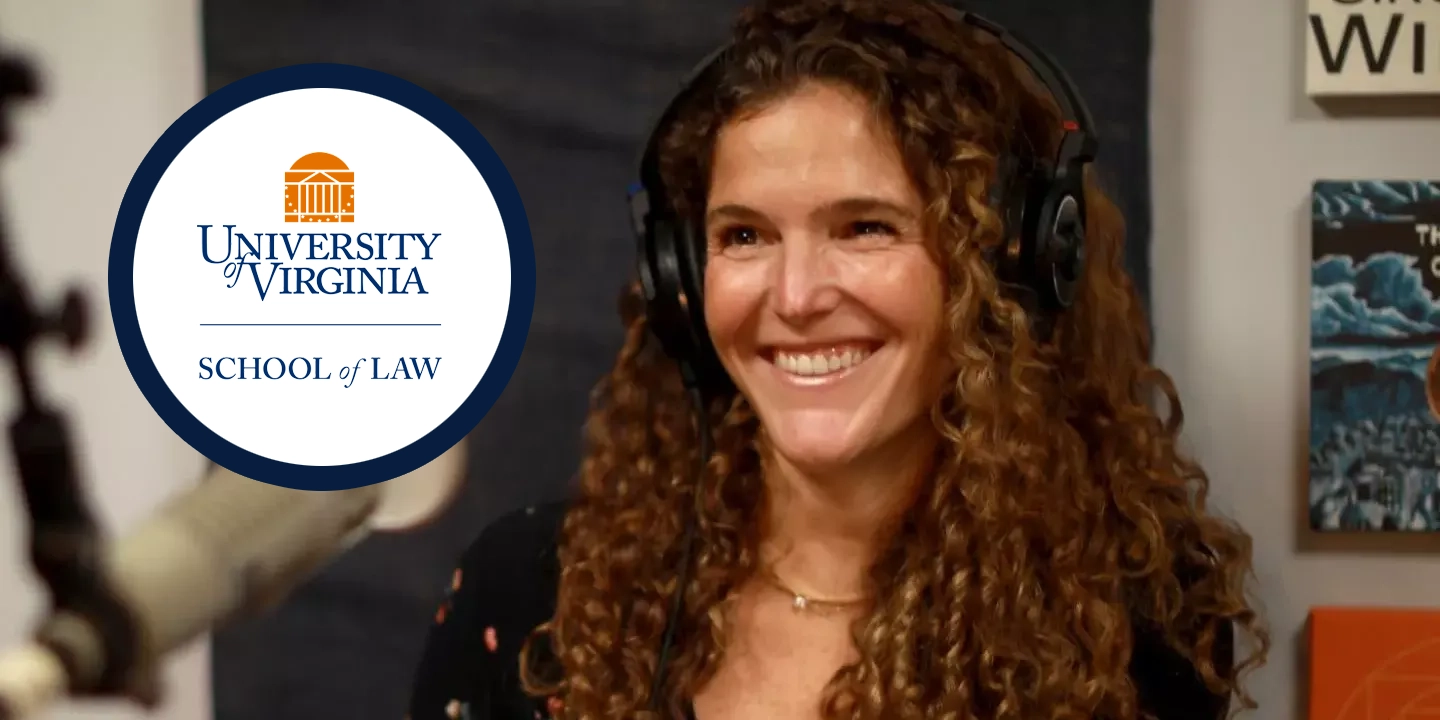
In this episode of Status Check with Spivey, Mike and Anna interview Natalie Blazer, the Dean of Admissions and Chief Admissions Officer at UVA Law. Mike and Dean Blazer discuss the unusual nature of this past 2025-2026 admissions cycle (2:11), why Dean Blazer loves waitlists and why this past cycle ran about three months longer than usual (4:32), why having high numbers means less for an applicant now than it did in the past (10:59), the “prisoner’s dilemma” of increasing medians (13:59), predictions for the upcoming 2026-2027 admissions cycle (15:21), the impact it can make for an applicant to submit in September (17:14), why admissions interview matter more now than ever (20:12), Mike’s two best pieces of admissions advice (21:54), and Dean Blazer’s two best pieces of admissions advice (23:22).
Then, Anna and Dean Blazer discuss Anna’s biggest admissions mistake/piece of advice (26:50) before answering questions from Reddit: why UVA’s LSAT and GPA medians stayed flat this year (28:47), how the tough job market for new college grads influences how admissions offices look at resume gaps (32:45), whether retaking a 173 or 174 is a red flag (38:04), whether Dean Blazer anticipates medians continuing to rise (43:34), advice for reapplying to UVA Law (46:56), and the “soft” factors Dean Blazer values most (49:40).
Dean Blazer’s podcast, Admissible, is available here. Listen to the episode she mentions, one of her favorites, with a successful reapplicant here.
You can listen to our previous episodes with Natalie here: 2025 | 2023 | 2022
You can listen and subscribe to Status Check with Spivey on Apple Podcasts, Spotify, and YouTube. You can read a full transcript of this episode with timestamps below.


