*We have open availability for Single Application Reviews! Sign up here.
X
.png)
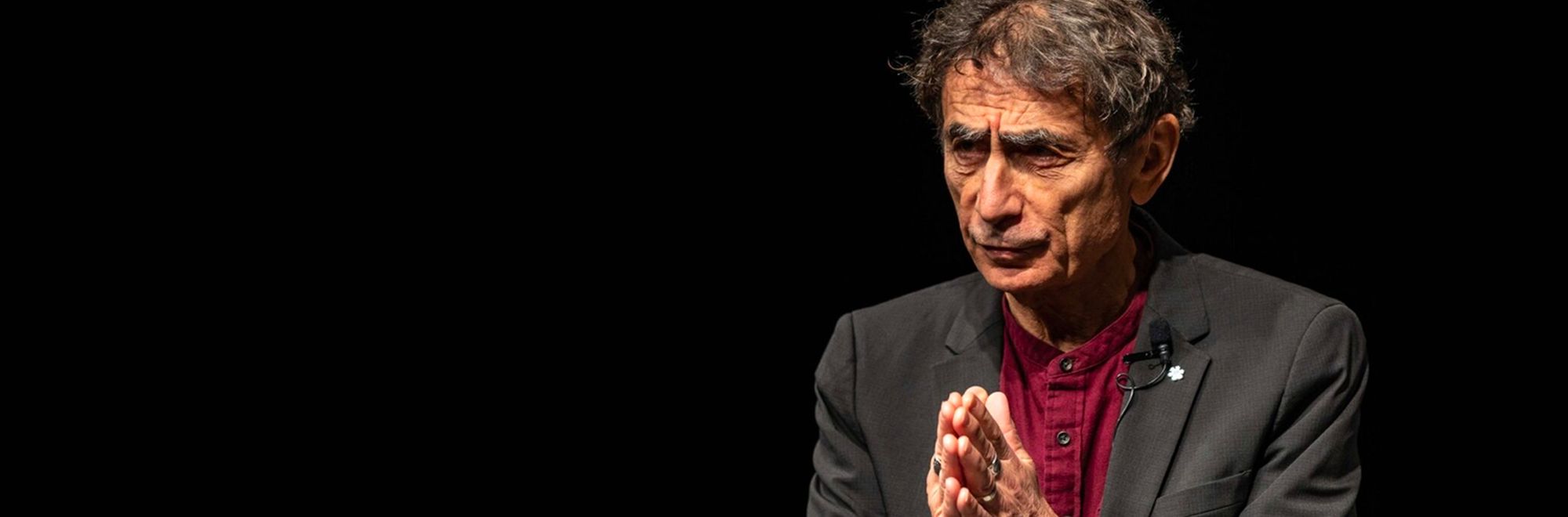
In this podcast, Mike Spivey speaks with Dr. Gabor Maté, one of the world’s leading experts on physical and mental health and author of four best-selling books including "In the Realm of Hungry Ghosts" and "When the Body Says No." Dr. Maté shares his thoughts and advice on self-doubt, stress, anxiety, and addiction, and offers the following insight for prospective law students (among others):
"You're going to look at all your confident classmates, and you're going to go in there with all manner of self-doubt. You're making the big mistake of comparing their outside with your inside. You have no idea what their inside is like. And believe me, you're not the only one."
You can listen and subscribe to Status Check with Spivey on Apple Podcasts, Spotify, Stitcher, YouTube, SoundCloud, and Google Podcasts.



What makes a great law school personal statement opening sentence? In this episode of Status Check with Spivey, Mike Spivey is joined by Sarah Zearfoss (Dean Z), Senior Assistant Dean at the University of Michigan Law School and former Dean of Admissions, to evaluate five famous opening lines from literature and discuss how they would work as personal statement introductions.
They explore the importance of authenticity and avoiding overly dramatic writing (1:41), finding the balance between creativity and trying too hard (2:16), writing about family and making bold claims (3:47), and keeping the focus on your own story (5:22). They also discuss using personal growth and reflection to create compelling openings (6:35) and navigating political or controversial topics in law school applications (7:13).
Through their reactions and occasional disagreements, Mike and Dean Z offer insights into what makes an opening sentence memorable- and what might make an admissions officer think twice.

In this episode of Status Check with Spivey, Anna Hicks-Jaco shares 20 easy law school application fixes crowdsourced from Spivey Consulting Group’s team of former admissions officers. From essay formatting and résumé consistency to application form mistakes and final submission checks, these are common issues that may seem minor individually but can collectively affect how polished and detail-oriented your application appears.
Timestamps:
1:57 — #1
3:03 — #2
3:34 — #3
4:04 — #4
4:41 — #5
5:15 — #6
5:44 — #7
6:11 — #8
6:28 — #9
6:47 — #10
7:23 — #11
7:36 — #12
8:03 — #13
8:30 — #14
8:51 — #15
9:06 — #16
9:56 — #17
10:18 — #18
10:39 — #19
11:00 — #20
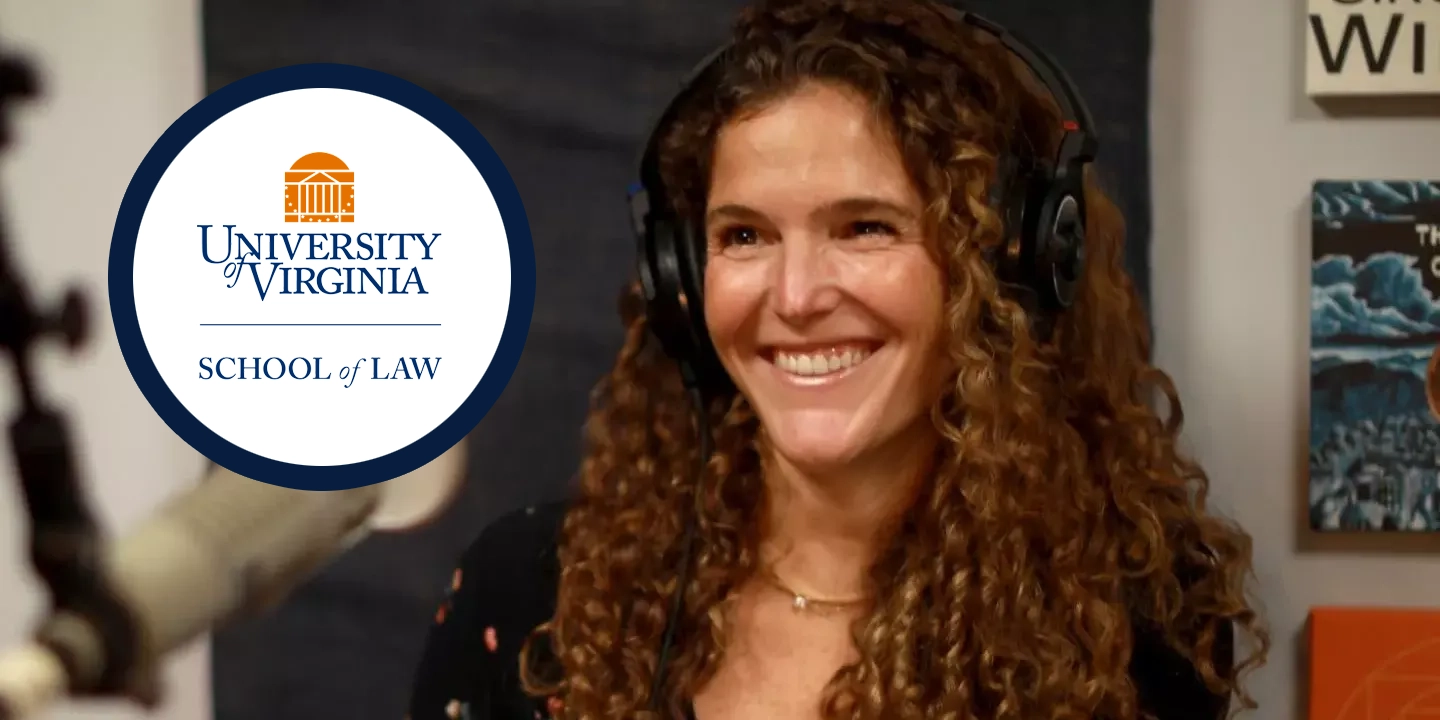
In this episode of Status Check with Spivey, Mike and Anna interview Natalie Blazer, the Dean of Admissions and Chief Admissions Officer at UVA Law. Mike and Dean Blazer discuss the unusual nature of this past 2025-2026 admissions cycle (2:11), why Dean Blazer loves waitlists and why this past cycle ran about three months longer than usual (4:32), why having high numbers means less for an applicant now than it did in the past (10:59), the “prisoner’s dilemma” of increasing medians (13:59), predictions for the upcoming 2026-2027 admissions cycle (15:21), the impact it can make for an applicant to submit in September (17:14), why admissions interview matter more now than ever (20:12), Mike’s two best pieces of admissions advice (21:54), and Dean Blazer’s two best pieces of admissions advice (23:22).
Then, Anna and Dean Blazer discuss Anna’s biggest admissions mistake/piece of advice (26:50) before answering questions from Reddit: why UVA’s LSAT and GPA medians stayed flat this year (28:47), how the tough job market for new college grads influences how admissions offices look at resume gaps (32:45), whether retaking a 173 or 174 is a red flag (38:04), whether Dean Blazer anticipates medians continuing to rise (43:34), advice for reapplying to UVA Law (46:56), and the “soft” factors Dean Blazer values most (49:40).
Dean Blazer’s podcast, Admissible, is available here. Listen to the episode she mentions, one of her favorites, with a successful reapplicant here.
You can listen to our previous episodes with Natalie here: 2025 | 2023 | 2022
You can listen and subscribe to Status Check with Spivey on Apple Podcasts, Spotify, and YouTube. You can read a full transcript of this episode with timestamps below.


