Anna Hicks-Jaco: Hello, and welcome to Status Check with Spivey, where we talk about life, law school, law school admissions, a little bit of everything. I’m Anna Hicks-Jaco, Spivey Consulting’s president, and today we’re going to be talking about financial aid, specifically as we reach the end of the first admission cycle since the quote-unquote “One Big Beautiful Bill Act,” which made a number of changes to graduate student loans that have really impacted the question of how to pay for law school for a great many incoming students. And we’ll talk about what those changes actually are in just a moment.
We did a preliminary episode on this topic last fall, so this follow-up is focused on how those student loan changes have actually been playing out in practice during this admission cycle, what law schools are thinking about and talking about internally with regards to the changes, and what prospective students should be thinking about as they prepare to apply in future cycles.
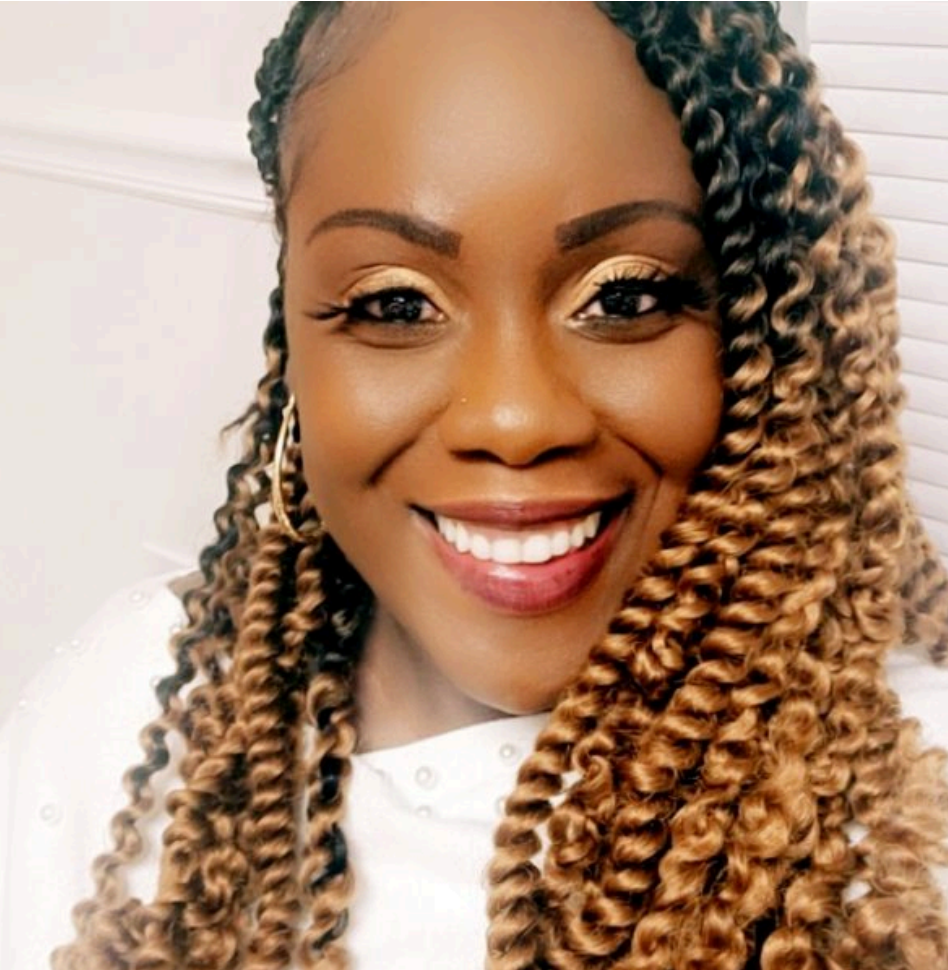
[1:08] And to have that conversation, we are exceptionally fortunate to be joined by three highly experienced financial aid professionals from three different law schools. The first is Dalmarie Lawrence, who has been the Director of Financial Aid at the University of the District of Columbia School of Law, UDC, for over a decade. She has multiple graduate degrees, including a Doctor of Education degree, and she’s been in higher education financial aid for over 15 years. Coming from UDC, she also brings a perspective from a school with tuition under the $50,000 limit, which is different from our other two guests.
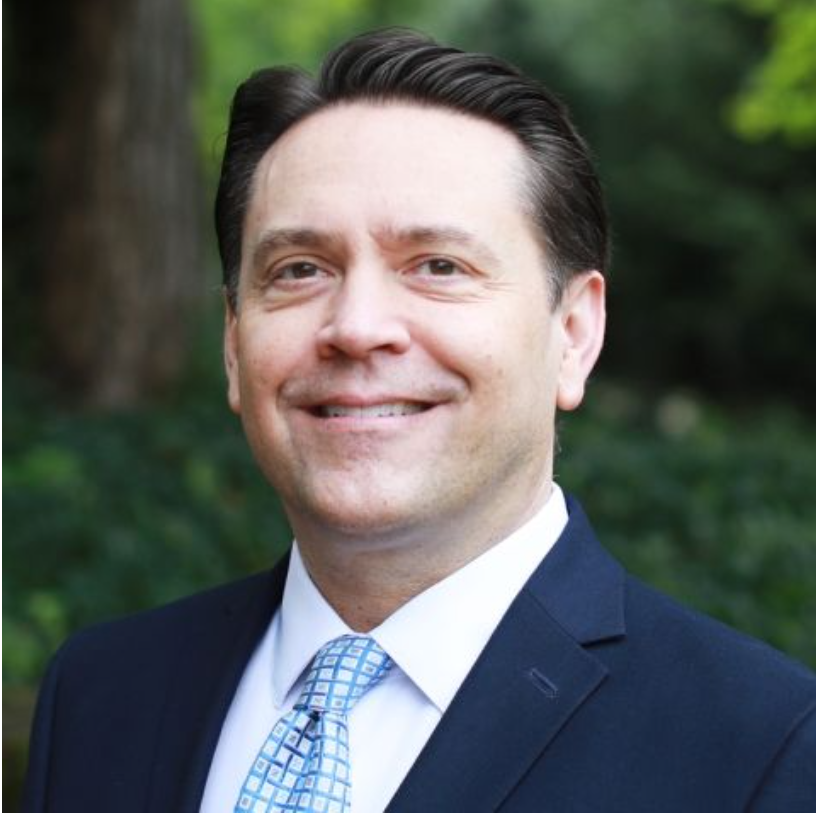
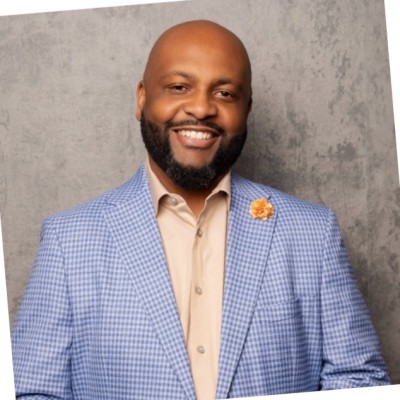
We also have Montré Everett, who has spent the last eight years of his career as the Director of Financial Aid at UC Davis Law, and he’s been in law school financial aid for over 20 years. He’s also the founder of a nonprofit mentorship organization for young men in at-risk populations called the Iron Men Foundation, and he’s a leadership coach. And, finally, we have Matt Wakeman, who has been the assistant dean of financial aid at the University of Virginia School of Law, UVA, for the last three years, and in total, he has 23 years of experience in financial aid.
So, between the three of these guests, we have over 50 years of collective financial aid experience. We are thrilled and deeply grateful that they agreed to join us for today’s episode. We talked about what these new rules mean for prospective law students, what types of questions they’re getting from incoming 1Ls, insights and resources on private loans, whether the rates for those loans might actually, in some cases, be better than the federal loan rates, insights on how your credit score can impact your ability to secure private loans and when you might want to consider trying to find a cosigner if possible, considerations for anyone looking to transfer this summer, and much more.
So, I’ll let them briefly introduce themselves so you can recognize their voices, and then we’ll get into it.
Dalmarie Lawrence: Hi, I’m Dr. Dalmarie Lawrence. I’m the Director of Financial Aid at the University of the District of Columbia David A. Clarke School of Law. I have been here for 11 years and counting, and it’s just a pleasure working with law school students to see the various attributes that they have and their characteristics. So it’s been a great time here at UDC Law.
Montré Everett: Hi, my name is Montré Everett. I am the Director of Financial Aid at UC Davis School of Law. I’ve been here currently 8 and a half years, love my time here thus far, being a California native, so it’s good to be back in my home state. Prior to coming to UC Davis, I was a director of financial aid at two law schools in the state of Georgia, Atlanta’s John Marshall Law School and Savannah Law School. And my entire financial aid career has been on the law school level, and I wouldn’t have it any other way.
Matt Wakeman: Hi, everyone. My name is Matt Wakeman. I am the Assistant Dean of Financial Aid at the University of Virginia School of Law. I have been here for three years. I’ve worked in financial aid for a little over 23 years, so I have a background in undergrad, graduate school, as well as law school. Law school is definitely a whole different beast, but it’s been great here. I definitely enjoy working with the law students.
Anna: Wonderful to have all of you. As we chatted about, we have tons to talk about today, so let’s just jump right in. First, I’d like to just give a lay of the land. Can you tell us about what changed with the passage of the One Big Beautiful Bill Act and the official rules that were just published in May, as relevant to prospective law students?
[4:28] Matt: The main things that I’m working with incoming students on right now has been the elimination of the Grad PLUS loan. So, in prior years, students were always able to take out their full cost of attendance with a combination of two different types of federal loans, the unsubsidized loan and the Grad PLUS loan, but all of that is changing as of July 1st, which will be before this hits the airwaves.
But the main thing is students will be eligible still for the federal unsubsidized loan, but then if there’s any gaps that they still need to make up, that’s where students are going to have to start looking into private student loans. So, that’s the main thing that I’m working with right now, but we’re also seeing some changes as far as the repayment plans. So once students are graduating from law school, their options as far as their payment plans will be different than it has been in the past years. And so a lot of that is working with current students about what that’s going to look like, and then again, the elimination of the Grad PLUS loan for the incoming cohort
Dalmarie: For us here at UDC Law, I believe Matt summed it up. That’s what we’re working on right now as well.
Montré: Yeah, it’s pretty much the same with us as well. And for any students who may be considering going to law school on a part-time basis, with these new loan limits for part-time students, these loan limits are prorated. So it’s not like a part-time student would receive the maximum of $50,000. That’s prorated based on their enrollment on a part-time level. So that, really, for a part-time student, would widen the gap of meeting their full cost of attendance.
Anna: Thank you all for that great summary, and Montré for adding that context of the part-time element. That’s why I’m so glad we have a variety of schools represented and folks represented here.
Okay. So, anytime we talk about the implications of the new loan limits, we tend to get comments along the lines of, “Schools just need to lower tuition.” I don’t want to diminish those concerns. Law school tuition can be massively expensive, and it’s fair to question. But I also think that most people don’t have the context to understand what lowering tuition would actually mean for a law school on the ground. Can you talk some about some of the barriers that law schools face here?
[6:47] Dalmarie: One of the things that we had to consider with lowering tuition—this is a form of revenue for the institution. So with lowered tuition, there’s lower revenues. And I feel it will deeply impact the resources that would be available to students, because, once again, you will not have sufficient funding to contribute towards, like, their clinics, towards hiring new professors, as well as the different training opportunities that they may have, because we’d need the funding to offset those costs.
And with that as well—and I will say we have experienced it here at UDC Law, because our tuition is tremendously low compared to other schools, where, for our incoming class, we saw an influx of applications. And what that caused is basically where we had to stop admitting at a certain point. And because of the low tuition costs, which I believe will be a domino effect if other schools were to follow that to lower their tuition costs, it will create more competitiveness to getting into law school. But not only that. If schools have to shut down their admissions process earlier, then students who are highly qualified will be left out of that opportunity because, okay, we have reached our maximum that we can do, so now, for those late applicants, they will be left out.
So that’s something to consider when taking into consideration lowering tuition, because it has a great impact on not only the faculty and staff, it has an impact on the students, their resources that are available for scholarship funding. If they rely on a percentage of the revenue received, there’ll be less funding available to provide scholarships for students moving forward.
Montré: Yeah, I think Dalmarie hit on something with the resources. I think future students may not realize the cost of operating a law school and the resources that we provide. Just the law libraries at our institutions alone are one of the biggest budget items on the budget. It costs a lot of money to keep and operate a well-conditioned and thriving law library. That’s just one of the many factors. Of course, keeping top-quality faculty. We all want to be taught by the best, and in order to retain the best, you got to pay the best.
Matt: And I agree. I think that maybe the main idea of the One Big Beautiful Bill was hopeful that this is what would happen, is if they cut off the funding, then schools won’t have any option other than to reduce the cost. And, in theory, that sounds okay. I agree that all law schools are really expensive, but that’s not what’s happening. It’s not like the $50,000 unsubsidized loan is the only game in town now. Again, what is filling in the gaps are private student loans. And so it’s changing the look of the incoming cohort, and it really could make a big difference as far as the types of students who we are working with, but I don’t think that it’s going to accomplish the idea of reducing tuition.
I think that the professors, the faculty, the building, all the costs are exactly the same, and so now you have to figure out, “Well, if we are going to reduce charges, what else are we going to have to reduce?” And at this point, anyway, I just don’t think that that is going to happen widespread. I think maybe there will be some one-off schools who are able to do that to try to come in under that $50,000 loan cap, but I think schools that are already over that are not in any position to start cutting costs, unfortunately.
[10:30] Anna: Yeah, I think a lot of students don’t even necessarily understand that law schools—the vast majority—are tuition-driven, that they’re not running on an endowment, and that the margins are pretty slim, much slimmer than I think people understand. And every single year in an admissions office and financial aid, you are going off of goals directed from above based on the budget that you’re looking at, trying to get to a certain number for net tuition. And if you don’t do that, then you’re in trouble with your budget and with your operating costs, because it really is narrow and it really is every single year trying to get to that correct number that you can fund your law school.
So, Matt, thank you for your additional thoughts on whether lowering tuition is likely to become something that is a significant force in legal education and happening across law schools. I’m curious, even if we look to potentially in the short term, but I’m thinking medium term and long term, do you envision a future where law schools could be lower cost, broadly, for students? And if you do think that’s possible, what would we have to do to get there?
Matt: I think that there’s a possibility. I think it would be different than the current way that law schools are set up. I think that there has been talk, and there has been talk for years, about having it be shorter than three years, for example. So, by reducing the amount of time that students are in school, could that reduce costs? Sure. I think that some of the programming that goes into law schools—as was already mentioned, there are clinics, there are a lot of outside opportunities for students, and it just would be a matter of, what would have to be cut from the current program in order to make it less expensive?
Libraries, as Montré said. Is there a future where law libraries could become more digital and reduce the size of the library, the number of volumes in the library? That’s certainly a possibility. But all of that would be getting away from the traditional way that law schools are run. And that might not be a bad thing, but there would have to be some major shifts in how a law degree is typically run in order for that to happen, I think.
Montré: I think Matt pretty much nailed it, but when it comes to, you know, if anything is going to happen in the near future for law schools to reduce tuition, that’s really something that’s difficult to do. Most of the talk that I’m hearing at this point are more along the lines of locking in tuition rates. As students are admitted, they’re locked in at a tuition rate for three years, so they would not see an annual tuition increase. That’s something that’s been discussed among all of the University of California law schools.
And also, you know, just increasing opportunities once students are here to lower the amount that they pay out of pocket, or lower the amount that they have to borrow through some more of our teaching assistance programs that we have on campus, and likely instituting an institutional loan program with lower interest rates than they would likely find in the private sector.
[13:32] Matt: And I think that’s a good point is maybe instead of focusing on reducing the cost, I think there will be some schools that are coming up with new ways of helping students cover the costs. It’s a similar topic, but it’s a little bit different as far as, the costs may stay the same or increase, but what else can schools offer students to make it ultimately less expensive? What other types of benefits, whether it’s an LRAP program or scholarships, specific types of scholarships? There are definitely things that schools are able and willing to do and are already doing, but that’s a little bit different than just the idea of directly cutting the cost of tuition.
Anna: Yeah. The only other thing that I’ve heard bandied about, and this is not in a
“This is something we’re planning to do now”—honestly, mainly from folks who are outside of law schools directly right now. But the other force that I think is on everyone’s mind is AI, and is there a future where law schools just cut a ton of personnel and replace it with AI? I would hope not, is where I come down on that, but I think that’s another thing that I’ve heard being talked about. I don’t know what the future holds, but I would tend to think that that would really decrease the student experience and the educational value of what they’re getting from law school.
Okay. So, Matt, you were just talking about what schools are doing to help students afford law school. That’s great. That’s what I want to talk about more right now. Because of these changes, some students are having more trouble financing their legal education, so I’m interested in what ways your schools specifically are helping students afford law school in this new landscape, and if you’ve heard from your colleagues what other schools may be doing, what law schools may be thinking about doing in the future.
But, first, actually, I would like to, as a baseline, get sort of a snapshot of each of your schools’ financial aid opportunities, to the extent that you’re able to share. Can you all give us the basics of your financial aid setups?
[Matt: I would say that, currently, the way that our office is set up is, we do have a large amount of scholarships that we offer students each year. So we are a school that typically offers about two-thirds of students scholarships, almost exclusively merit-based. So our process, for the last many years anyway, has been where the students, when they’re admitted, they will find out their scholarship amount, and it’s based off of their admissions application. So all of that is run through our admissions department, who is reviewing their incoming credentials, all the things that they look at, and come up with the amount of their scholarship. We do have other scholarships that students are eligible for once they are a student, which is separate than the scholarships they’re awarded through admissions.
We also have a pretty large LRAP program, so Loan Repayment Assistance Program. And what that is is for students who are going into public service careers, the law school is providing funding for them to assist with making their payments. And so it’s based off of their income; there’s a bunch of things that go into how much we are giving them, but the idea is we will give them funds to help them make their loan payments, and then those loan payments are qualifying them for Public Service Loan Forgiveness. So it’s kind of a combination of assistance from the school, as well as the federal assistance through Public Service Loan Forgiveness.
We do counsel all of our incoming students and guide them to outside scholarship opportunities. The big databank that we promote is through AccessLex. It’s a nonprofit organization that works with law schools and law students, and I think their scholarship databank is bigger and better than any that I’ve seen. It’s kind of nice, because they’re all geared towards law students, so they don’t have to do a lot of research trying to find a scholarship specifically for someone going into law. That piece of the problem has already been handled for them, but then they have hundreds that they can apply for. And we have a lot of students every year that are getting outside scholarships, not just through AccessLex, but through all kinds of other sources as well.
And so those are some of the things that we are doing here at UVA.
Anna: Thank you.
[17:56] Dalmarie: So, at our institution, typically for our incoming class, about 90% to 95% of students get an incoming scholarship. It’s merit-based, and similar to what is done at UVA Law, our admissions team, they will review their application holistically and determine how much they’re eligible for. In addition to that, we always encourage them to apply for our need-based scholarships, just to offset any cost that they may have, as the merit-based scholarship is more on a scale.
With that being said, we also promote AccessLex’s databank. I kid you not, we love to tell students that this is a great source to start, and we push scholarships on our students.
Yes, we have a relatively low tuition rate. However, what I love to tell students is, you’re going into a profession that you love. You don’t want to go into a profession to lose that passion that you had coming in because you’re worried about repayments. So we encourage our students to apply for scholarships. Whenever we get scholarship opportunities through our mailbox, we will vet them to see if they’re either on AccessLex’s website or not, and we will send it to the students. We’ll push it to promote it to the students. For the most part, we have had students who have received scholarships that are for all three years that they’re in the program, external scholarships, and we work with those.
For this year, as I said earlier, our incoming class for ‘26 is about 30% more than our goal, and about 96% of them have received a merit-based scholarship to offset the changes with the loan amounts that they’re eligible for. But the shortfall of it is that it has reduced the amount that we have for need-based. So to offset this, we’re promoting AccessLex as well as other external scholarship opportunities that we are aware of for our students.
Montré: For us at UC Davis Law, it’s pretty similar as well. Our admissions team does a great job with not only bringing in a great quality class, this current incoming class for the ‘26-’27 academic year will be our largest incoming class, at least since my time here. And for the third year in a row, we have been able to award 100% of our admitted 1L class some form of our merit-based scholarship, which we call the Dean’s Merit Scholarship. So we’re really proud of that, and hopefully, we can keep that going for the foreseeable future.
Along with our merit-based scholarship, we also do have a need-based grant program, where we offer need-based grants to students who show the greatest need based on FAFSA information, but also an additional application that we ask them to submit that gives a little bit of information about their family background and history so that we can make sure that these grants are going to the students with the greatest financial need.
Along with that, just like everyone else, we’re definitely trying to help our students, guide our students into finding outside scholarship opportunities. We have an outside scholarship directory that is available on our website, and it is available to our students regularly throughout the year. We’re updating that throughout the year. In that directory, we typically focus on local scholarship opportunities through local law firms, local bar associations, or statewide organizations.
And then for anything on a national basis, we definitely also push people towards AccessLex. I know this sounds like a shameless plug we’re giving to AccessLex, but they’ve just been a great partner for us law schools. And so we definitely use their database, and sometimes we also use a database that’s provided by Sallie Mae has another scholarship databank.
There are some other ones out there, but they’re more geared towards undergrads, and so it’s like finding a needle in a haystack for law students. So we definitely do our best to research to make sure that our directory that we provide our students is up to date, and we’ve vetted all of these to make sure that they are legitimate scholarships, because we’ve had some issues with some bad actors out there really trying to take advantage of our students. So we make sure that these are quality organizations that we’re sending our students to.
[21:59] Matt: And one more resource that I would throw in, for any student who is actively researching schools, is to look at what’s called the 509. So it’s a report through the ABA. The easiest way that I’ve found is just to type in whatever law school you’re looking at in Google and then “509.” So, “UVA Law 509,” it’ll take you directly to our website, where you can look at that information.
And the thing that I like about it is, it’s giving students a realistic idea of, first of all, the percentage of students who receive scholarships, the average or median amount of the scholarship, and it’s really helpful because you could say that a school, for example, like UC Davis offers 100% of their incoming class scholarships, but then on the 509, you can also see how much the average scholarship amount is. And so it’s really helpful when you’re trying to set a baseline. It doesn’t mean that you can count on that amount of a scholarship, but it really is helpful to know, first of all, what that school’s average LSAT, average GPA is, average scholarship is.
And so now you can kind of have a better idea of, where would I fall in that range in general, and you can kind of start narrowing down some of the schools that you’re looking at and start to get a better idea of, is this a school that is offering conditional scholarships, for example? A conditional scholarship meaning that they need to maintain a certain GPA or a certain class rank. There’s a lot of things that they can glean from those resources. And that’s something that every law school is required to post on their website, and it’s simply some good information when they’re researching schools.
Anna: Thank you for bringing up those resources. Certainly, 509 reports are important, I think, for any prospective law student to be aware of, for lots of reasons, certainly the financial aid component. Something we’ve been talking about at Spivey Consulting recently is the notion of, when you are creating your school list, we always talk to folks about having a good list of reaches, targets, quote-unquote “safeties,” if their priority is to go to law school as opposed to going to a certain set of law schools.
But we’ve been talking about it also, recently, in terms of financial safeties. Of, if the finances of law school and getting a big scholarship is really important to you, you should absolutely be looking not just at where you are related to law schools’ medians, but how much money those schools are typically giving out. And if you know, “Okay, I am well above this school’s medians on both, and looking at the scholarships that they give, they look like they give a lot of full scholarships, they give a lot of half-tuition and up scholarships,” that might be a great financial safety versus a school that gives less money.
I’m also really glad that you all mentioned the percentage of your students who have merit aid coming in. I think a lot of folks, before they apply and before they start getting those scholarships, aren’t aware how prevalent scholarships are in law school, because things are just sort of different in the undergraduate space. So that, I’m really, really glad that you all mentioned.
And then, of course, AccessLex. Everybody loves AccessLex in legal education. How could you not love AccessLex? The other thing I’ll flag, in addition to the outside scholarships databank, is their Private Loan eXchange. That has been really helpful since the new student loan rules, and one thing that they also include there is which private loans international students are eligible for, which I know is especially tricky for international students. So I will just flag that.
So I want to get a little bit more sort of in the weeds about this stuff. In your experiences of talking to these incoming 1Ls who are currently getting ready to enroll, have you gotten the sense that incoming students are generally aware of the One Big Beautiful Bill changes? And even if they are aware, do you have any worries about whether some aspects of the rules might blindside students later, like private loan interest rates, lifetime loan limits, things like that? What are you hearing on the ground?
[25:55] Matt: I think that most of the students that I’ve spoken to, the vast majority of them are aware of, financial aid has changed. So they know the term One Big Beautiful Bill, and they realize that things have changed. I think what I’ve seen is, they may not know exactly how much it’s changed. The idea for so many years that I think has been kind of ingrained into students is that they are aware, or they had been aware, that they could take out as much funding as they would need. Whether they should or not is a whole other topic, but they knew that that was available funding. And so they could approach it in pretty casual manner, knowing that once they jump through all the hoops of applying and interviewing and getting into the school that they wanted, they didn’t have to worry a whole lot about being able to cover that with federal student loans.
That’s really different now. Depending on the cost of the school that you’re looking at, it’s a mindset that I think needs to change, where they realize that those private loans are based off their credit. And so, what we’re doing a lot more now is speaking with incoming students about their credit history and things that they can do. If you’re even several years out from looking into applying for law school, getting your credit history in check before you get to this point is super important, whereas in the past, it was always good to have good credit, but it didn’t mean that you wouldn’t be eligible for federal student loans.
So there’s been kind of shift with that. And I’ve seen incoming students who are a little bit more relaxed about that idea than I think that they need to be, as far as making sure their credit is going to be in good shape. If they’re for sure going to have to apply for loans, they can’t have awful credit. It doesn’t have to be perfect credit, but talking to them about having credit at all. We have some younger students coming straight from undergrad who have little to no credit at all, and that is one thing that private lenders are going to look at, as well as just making sure that there’s nothing negative on your credit report that you’re not aware of.
So those are some of the differences that we’re seeing. And I think that it may take a little while for that to kind of seep into the consciousness, that even if you get approved or accepted to the school that you want, there’s still going to be a whole other step to it now of getting the loans in place in order to be able to attend.
[28:40] Montré: Yeah, and I guess I’ll say for us, I do believe that our students are aware of the changes. We’ve done our best to make sure that our incoming class is aware. Normally, for the financial aid piece, we do maybe one or two info sessions a year during our admissions cycle. We’ve done four. We’ve doubled the amount.
And even today, as we’re recording, this afternoon, I have open time slots where incoming students can request a 15-minute virtual appointment with me. For three hours, every 15-minute time slot is already filled for today, because not only are they aware, but now they’re asking the follow-up questions just to get more clarity. Because some of these changes are quite confusing. I’ll admit, some of these changes are confusing for me, so I’m pretty sure that they are confusing for our students as well. So, we’re doing our best to make sure that they have their questions answered, and if it’s something that we don’t know, we’re pointing them in the direction where they can get more clarity.
But there are probably going to be some blindsiding happening in the near future once they start dealing with some of these private lenders, and the interest rates, and the repayment plans, not as flexible as they have been in previous years.
So, we’re entering some new, uncharted territory, but we’re trying to help our students, especially this incoming class. Normally, we don’t like to handhold too much, but this is one of those exceptional years where we’re doing a lot of handholding.
Matt: And I would say, as far as some of the incoming students, I’ve been sending out a lot of communications to them about it being the time to start getting their financial aid in place. I don’t want anyone to move here or make all of these arrangements before they apply for their loans and get approved for their loans. The good news—and this is somewhat anecdotal, and I think it’ll be different at every school—is the students who have applied for private loans, I haven’t had a single student get declined yet. The numbers aren’t super high yet. I would say within the next few weeks, we’ll have more and more students applying for their loans and getting everything finalized.
And the rates that they’ve been approved for, every single one of them is actually lower than the federal interest rate. Private loans aren’t inherently bad. I think that there has been so many years of there being so many discussions about predatory lenders and that they can charge whatever they want, and all of that is true and will still be true, but it’s not the norm anymore. I think these lenders are competing now. It’s not the only game in town, so a lot of students are taking out the federal loan, and then, like I said earlier, filling in the gaps with their private loan, and then find out that their interest rate is even better on the private loan than the unsubsidized loan.
So it’s not all bad news. I think that that’s kind of another thing that students need to be aware of. This isn’t all doom and gloom. Also, if you’re going to a less expensive school, that $50,000 cap on the unsubsidized loan doesn’t have anything to do with someone’s credit. They know for sure that they can be eligible for the unsubsidized loan for $50,000, and that’s up from $20,500 in previous years. So there are some students who the new rules are actually working out better for. It’s just hard to say in sweeping generalities if something’s better or worse, but for a lot of students, they will find that there are still very valid paths forward.
[32:10] Dalmarie: And just to add, similar to Matt and Montré, our incoming students, they are aware of the changes. And we’ve only received probably two private loan applications to certify for the incoming class, but for the most part, we haven’t had any students that are looking for any additional information. In the past and even now, we held financial aid webinars every month so that they can come in. We have open office hours that they can come in and schedule a time to meet with us, so we can go over the information with them.
In addition to that, we do have email campaigns in which we send out, as the information comes out and we are able to disseminate it, we send it out to them, so they are aware of it as well. And we do it not just for the incoming students, but also for the continuing students, because with the time to credential, there are some who will not be eligible for the legacy program. So we have worked to identify those students and communicate these changes with them as well.
Anna: Thank you. Montré, I’m curious in particular with your blocks of 15-minute meetings that are filling up, what are the most common questions you’re getting in those meetings?
Montré: Oh, yeah. It’s a wide array, but I would say the most common is just asking the question, “Should I take out a private loan?” And that looks different for everyone. Like Matt was just saying, maybe based on whether the school you’re attending and their tuition rates, or the amount of scholarships that you’re receiving from the institution, combined with the unsubsidized loan, maybe a private loan isn’t a requirement for you.
But I still definitely would suggest that to students. Do some shopping around, just to see what the interest rates are that they qualify for on the private level. Like Matt said, it could be lower than new unsubsidized loans. So they have some different decisions to make than in previous years. I don’t want to just be the one to scare them away and say, “No, no, don’t take out a private loan,” or, “Yeah, you do need one.” I want to make sure that they are making the best financial decision for them based on their individual situations, because I can’t just blankly give one answer for everyone, so I have to look at each student that I meet with individually, and let’s talk about your personal situation. What money may you have in savings, or maybe from family members or friends who are supporting you, that can contribute to your education? Because every dollar will reduce the amount that you will eventually have to borrow. So we’re looking at all different factors to make sure that our students are making a sound decision when it comes to funding their legal education.
Matt: And one group that I am actively trying to scare away from private loans are students going into public service. I think that it’s a huge difference between someone who’s going into private practice and someone who’s going into public service, because of Public Service Loan Forgiveness is not a thing for students who take out private student loans.
And so more than ever in my career in financial aid, I’m having those discussions with students about what their ultimate goal is before I talk a whole lot about their loan options. Because if someone knows for sure that they want to go into public service, it’s easy for an incoming student to find out what the cost of the school is that they’re looking at, to know how much their scholarship is, if any, to know how much they’re getting in—the federal student loan is a flat amount now. So they know right now that it’s $50,000, up to $50,000.
If that amount isn’t going to be enough to cover everything that they need and they want to go into public service, they really need to talk with their financial aid expert about that, because that Public Service Loan Forgiveness is one aspect of it, but the other aspect of federal loans is that their payment plans are based on someone’s income, not based off of the amount that they take out in loans. And so if someone goes into a low-paying public service job, their payments will be lower, and those payments will qualify them for Public Service Loan Forgiveness.
If you have to take out private loans, things can quickly go off the rails if you’re going into public service, because your private loan payment amounts are not based off of your income, and those payments that you’re making, there’s no chance that they’re going to be forgiven under any kind of public service loan forgiveness. And so they really need to think about what makes more sense to them financially, and not just chase going to the highest-ranked school that they can get to if they’re going into public service. They really need to think about what their aid package looks like in order for that to be realistic once they graduate and start working in the career that they want to work in.
[37:09] Anna: Thank you for flagging that. I think that’s such an important consideration when you’re looking at what your plans are post-law school and what your payments are going to look like and how that’s going to fit into your life. The salary that you’re working off of is a big component of that, and then there are all these considerations for public service with the Public Service Loan Forgiveness and things like that. So thank you for flagging that.
I actually had a question about a different population of students. I’m curious if any of you have a large number of veterans and if you work with veterans on their benefits, or financial aid considerations for that population?
Matt: We have a lot of veterans at UVA Law. I’m the military liaison here at the law school. I’ve worked as a veteran certifying official for many years, and so it’s just a population that I’ve always worked with. And I work with each of them one-on-one, walking them through how to utilize their benefits, how much they’re going to be getting. A lot of times, they know that they have military benefits, but they don’t know exactly how it works, and so getting some assistance on that can really make that process easier for them to navigate.
Montré: Yeah, for us, our veteran students population is increasing. Previous years, we may have a handful, but we’re seeing, especially with this incoming class, a larger number of veteran students coming in. And, fortunately, we do have on campus an office called the Veteran Success Center that provides a plethora of resources for our veteran students, but also is the office that guides them through the process of getting their VA benefits, certifying, and things like that. There’s also our Office of the University Registrar that serves as our university campus-wide certifying official.
So we’re kind of hands-free a little bit when it comes to our veteran students, but I still meet with our veteran students one-on-one just to give them some extra attention to provide them additional resources, whether it’s financial or educational resources that we have on campus.
And then, oftentimes, we do have veteran students who may still qualify, they’re still getting our scholarships, they may still apply for loans, so it’s about just talking with them to help them manage all the aid that they may be receiving. So looking forward to hopefully seeing more veteran students make their way to UC Davis in the coming years.
Matt: And I would say, an even bigger population are dependent students who are using their parents’ veterans benefits. So we have actual veterans themselves, but more often than not, their parents are the actual military member who have passed their benefits on to their children, and the benefits can be excellent. 100% of their tuition and fees, in many cases, they’re receiving living expenses, they’re receiving money for books. So the benefits are really, really good. And whether it’s the veteran themselves or the student using their parents’ benefits, it all works very similar.
It’s actually, to me, I think, even easier to process than student loans. And so working with an office that knows how that works is really important, and the sooner that you can get in and talk to someone about it, the better. I think that there’s just a lot of mystery to it, and so I think that that’s one of those things where students may shy away from that if they don’t understand how it works. But if you or your parents have those benefits, speak with someone at the school, and they can really make that a huge benefit for you.
[40:34] Montré: Yeah, and speaking of beneficiaries, we are seeing an increase in that area. Here in the State of California, we have something called the CalVet Fee Waiver, in which any dependent of a permanently disabled veteran—and with a lot of veterans from the Iraq War now having children college-age or even law school age, we’re seeing an increase of California resident students who qualify for this California Veterans Fee Waiver—in which this fee waiver would fully cover their tuition and mandatory fees. And so, basically, these students would only need aid, whether it’s through our scholarships or whether it be through loans, to cover their personal living expenses. So it’s a great opportunity for students who are dependents of veteran students.
Anna: Thank you all for that information. Can you talk to us a little bit more about the realities of loan borrowing limits, specifically as related to if you are hearing from admitted and incoming students about any concerns over obtaining cosigners? I know that’s something we’re hearing about a lot.
Matt: Yeah, I think that that’s part of the conversation that I think needs to happen sooner than later, again, in regards to letting them know that private loans are based off of their credit, but if someone has little to no credit, many lenders are going to require a cosigner. There are also benefits to having a cosigner even if you have good credit. The lenders will still see that as a benefit as long as your cosigner has good credit. The likelihood that they would give you a better rate is still higher. It’s less of a risk for them if they know that you’re going to be in school and you have someone who’s willing to cosign.
But I think having that discussion, even before you start applying for loans, is important for applicants on trying to start brainstorming on whether they have a cosigner, someone that they can ask to cosign, or not. I think that some students are under the impression that it has to be a parent. It doesn’t. You can use anyone that you’d like to as a cosigner, as long as they’re willing to do that.
And I think having that conversation is harder the older you get. So, younger students that I’ve been talking to, most of them aren’t having a problem talking to someone about it, but as students get older, they don’t want to do that, because they want to do it all on their own.
And lenders, they won’t tell us what it is, but all lenders have a minimum credit score that they would require a cosigner or not. So what I have seen in the past is it’s usually in the 640-ish range. If someone has a credit score of 640-ish or higher, they likely won’t be required to have a cosigner, but they can certainly still use one.
And so, again, it’s not even every student is going to need a cosigner, but it’s important to start talking to them about finding out what their credit score is, and if they fall under 650, I would say, then they may want to start having those discussions about whether there’s someone in their life who would be willing to cosign.
Anna: Thank you, Matt. The last thing, apart from I’m going to ask you all for last pieces of advice—one thing that some people might not be aware of or have on their radar is the fact that transfer students who were under the old loan limits, because they were in their 1L year this past academic year, but are looking to transfer to another law school are not being grandfathered in to being able to use those prior rules. So they would be—if they change law schools, go to a different institution—subject to the new rules. I’m curious if you’ve seen that affecting your transfer applicant pool, or if you’re getting new questions, new considerations, or how your law school is thinking about that.
[44:21] Montré: We’re seeing it on both ends. We’re seeing it with potential incoming transfers and outgoing transfer students. We have our lowest number of transferring out students than ever before, and I believe we only have one potential transfer right now, because of these new changes where they know that, “If I do leave, whether to come to UC Davis or to leave, I’m losing the legacy status, I’m losing the ability to borrow the Graduate PLUS loan.”
And that is a major factor for a lot of students, because they know that no longer can they rely on federal loans to fully meet the cost of attendance, and it just adds on another player into the game with the private loans. There’s some fear there, and some of that is very real fear, but yet still, students are making this decision to just stay where they are this year. I’ve talked to colleagues at many other law schools, and they’re seeing the same thing, just a low number of transfers in and out this year.
Dalmarie: We don’t typically have transfer students coming in, maybe one or two, which we know we have in the pool right now. But what we are working with our admissions staff is to send them this information to let them know, so that they can make an informed decision. With regards to anyone transferring out, we have not been notified of anyone transferring out through our registrar’s office, nor has any of the students come to us with regards to that. Because, like I said earlier, we are not only sending these changes to our incoming students. We are making it available to our continuing students as well, as they make decisions. But we have not seen or have any requests from any students with regards to transferring out
Matt: And what I would say is, although we don’t have many transfer students, the same logic applies to dual degree students. For example, we have a business school right next to us, so we have a lot of JD/MBA students. MBA students are under different loan limits than JD students. They fall under a graduate loan limit instead of a professional loan limit. And so, as soon as someone switches from law into MBA or MBA into law, they are also going to be under different rules. And so, it’s super important for anyone who’s thinking about applying to a dual degree program to talk to your school about how that would work.
No one who’s coming into either one of those programs will be eligible for the Grad PLUS loan, but what they’re going to run into are the loan limits that will change, and it would be very possible for them to use up all of their federal loan eligibility if they start out as a JD before they move into the MBA program, because again, the MBA program has a lower loan limit, and then they would be, for example, halfway through their program with no access to any federal loans.
And so it’s super important to kind of start talking with your school about how that may affect you. And it will be different at every school based on whether you start out in JD or MBA or the other way around. And again, I’m just using that one example, but there are many different types of dual degree programs that could certainly affect.
[47:32] Anna: Thank you for flagging that dual degree component. That is important for people who are considering that to know, for certain.
Okay. I’ve taken up a lot of your time. Greatly appreciate you all coming. I do want to give you an opportunity to leave our listeners with some final piece of advice or information that you want them to be aware of, particularly for prospective law students who are planning to apply to law school this coming cycle or in the future and are concerned about how they’re going to afford it.
Matt: I would say, reach out to your school. I think every day I talk to students who have been thinking and worrying about it ever since the day that they were admitted, and then once we have our meeting, they immediately feel so much better. And I think it’s really important to be proactive. Reach out to them. I know all of our offices are sending out a lot of communications, and there’s a lot of moving pieces right now, just trying to figure out what you’re doing. But take the time, schedule an appointment with your financial aid office, and they’ll be able to eliminate a lot of the worry and give you some really good advice on the next steps that you should take.
Montré: I would say the same thing. Definitely reach out to the financial aid office for the best and most sound advice. What we’re realizing is that we’re telling students the same message when it comes to student loans, whether it’s federal loans or private loans. Borrow only what you truly need. And sometimes that looks like much less than what you think it is.
Some of the conversations I’ve been having with our incoming students is more like asking questions, what can you cover without borrowing loans for, such as books? Can you cover your books without borrowing federal loans or private loans to cover your books? Because basically, it may cost you $1,500 this year for your books, but if you borrow loans for that, it’s going to be much more than that when you add on the interest over time. So do you have a way to maybe cover that out of pocket, or maybe have some support to cover your books?
Same thing, in our cost of attendance budget, when it comes to transportation. Our campus is a very bikeable and walkable campus if you’re living within the city of Davis. Davis is the bicycle capital of the world, fun fact. But many of our students realize, “I don’t need to borrow $3,000 for transportation costs when I live just a five-minute bike ride from campus.” And so it’s just making them realize that, “Hey, I really don’t have to borrow up to the full cost of attendance and still make law school affordable.”
One quick story. I just had one of our incoming students tell me a couple of weeks ago how they fully funded their books through social media. They announced on social media to all their family and friends that, “Hey, I just got admitted to law school, and I would really appreciate your support,” and they did a GoFundMe saying, “Hey, this is how much my books are going to cost in my first year,” and within days, they had family and friends say, “Hey, I got you on your torts book. I got you on your con law book.” And now that’s $2,000 to $3,000 that they don’t have to borrow, and they can fully pay for their books and supplies in cash.
So it’s using some new tools. This is a new time that we’re living in, and so sometimes we got to think outside the box. And that’s helping a lot of our students realize that, “I don’t have to meet the full cost of attendance.”
[50:48] Dalmarie: And I will piggyback off both Matt and Montré. For me, I would tell students, do your research. For the coming incoming class, the ‘26 incoming class, we may not have as much information to present to them as to those who are coming after. So do their research. Definitely check it now, the 509 of each school that they’re interested in, to see what scholarships are available and how many students receive scholarships and the amounts. But not only that, to look and see the cost of attendance to see what it is, what it entails, how much tuition is, how much the cost of living is. Yes, DC is a fabulous place to be, right? But we do know that the cost of living is huge. So one of the things I tell my prospective students and my current students is, see if you can plan outside of the DC area. You have different areas within Maryland, you have different areas in Virginia that you can actually live and commute into DC because, once again, the Red Line stops right here on campus. So, transportation cost is significantly reduced. And, yes, it may not be as reliable, however, it will get you there at less cost than if you have to pay for insurance and gas and everything as it relates to that.
Another thing that I love to tell students is: scholarships, scholarships, scholarships. There’s a ton of free money out there that they can apply for. As they’re preparing for law school, I say, you have vision boards for what you want to achieve in life. Create a vision board for scholarships. Look at the scholarships that are out there, ones that you will qualify for. If you want to have a glass of wine on a Saturday and look them up and make note of them, do that. But there are tons of scholarships out there that are available to law school students.
Even if it’s $500, it still adds up. That’s $500 less than what you will need to borrow. I love to tell them, scholarships, plan accordingly, do your budgeting.
For our incoming students, one thing that we make mandatory for them is a financial aid webinar, Building Your Law School Budget with AccessLex. Like, every incoming student has to complete that webinar before they can register for classes, and also, they have to do a one-on-one coaching call with an AccessLex representative. That way, they can go over their budgeting, what they have to understand, what it entails, and so forth.
So, I would tell prospective students as well, AccessLex is there. I know we’ve been plugging AccessLex, but they do provide resources as you’re planning for law school, during law school, and after law school, so utilize those resources. And remember that the financial aid office is your best friend. So, yes.
Anna: That seems like a wonderful place to end. Thank you all again for sharing your time and expertise. And thank you as always to our listeners. We hope this was helpful. Bye, everyone.
Dalmarie: Bye!
Matt: Bye!

.png)