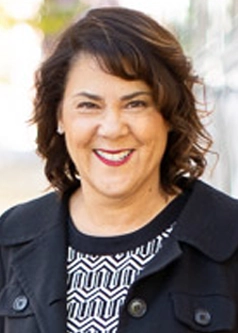
Anna Hicks-Jaco: Hello, and welcome to Status Check with Spivey, where we talk about life, law school, law school admissions, a little bit of everything. I”m Anna Hicks-Jaco, Spivey Consulting’s president, and I’m just popping in here for a minute to introduce a fantastic episode. We just recorded it with the inimitable Cindy Lopez. Cindy is the founder and CEO of LEAP, the Legal Education Access Pipeline. Before that, she was a California Deputy Attorney General for over 30 years.
Cindy will talk a bit about what LEAP does. They’re an incredible organization that has grown and grown over the years, both in the number of applicants they’re able to help and in the resources that they’re able to offer them. And we’ll link to LEAP’s website so that you can check out their eligibility criteria if you’re interested.
But this podcast isn’t just for people who are interested in LEAP. It’s for people who don’t know how to find a mentor in the legal field and want advice on getting a mentor and getting the most value out of that mentoring relationship. It’s for current or prospective applicants who are first-generation college or will be first-generation law students. It’s for anyone who wants to know what’s been happening post-SFFA and during the current administration to programs like LEAP that are focused on increasing access to the legal profession and the very real challenges that these organizations are facing. That’s all covered in this episode and more.
As I mentioned, I’m only popping in for a minute here. The person actually interviewing Cindy in this episode is our wonderful admissions consultant, Paula Gluzman, who you might have heard on the podcast before. She is a former admissions officer at UCLA Law and the University of Washington Law. She’s also worked in law school career services. She used to grade the California Bar Exam. She’s a law school graduate and practiced law before going into legal education. And importantly for this episode, she has been deeply involved in LEAP since its inception.
So Paula’s known Cindy for years, they’ve worked closely together, and they had a great conversation. I’ll hand it over to Paula.
[2:01] Paula Gluzman: Okay, well, everyone who is listening on the Spivey Podcast today on Status Check, we have a fabulous guest and visitor. I might be biased, because this is a dear friend and a longtime colleague of mine who is doing some of the most important work out there when it comes to diversity and inclusion in the law school admissions and the legal profession. So without further ado, I’d love to introduce Cindy Lopez.
Cindy Lopez: First of all, thank you so much for inviting me. I listen to this podcast all the time, and when I hear your guests, I’m like, “Oh my gosh, they’re so cool,” and now I’m one of those guests. So hopefully, I can live up to your other guests.
Paula: She is the Founder and CEO of LEAP based in Los Angeles. That stands for Legal Education Access Pipeline. I will preface this by saying that Cindy and I met because she was forming LEAP. You— were in the process of just gathering board members and support and industry experts, not only in LSAT prep but in admissions and legal practitioners and lawyers, to build on this very holistic pipeline program for not just getting into law school, but excelling in law school and then beyond after graduation.
And I think our connection point came because you got in touch with Dave Killoran, LSAT guru, who then put you in touch with Mike Spivey for the admissions side. And at that time, I was the only Spivey consultant in California, and Mike Spivey connected us together. And I distinctly remember getting that email about this pipeline program that was starting and feeling like it was such a connection point to the purpose of why I worked in admissions in the first place and why I care so much about mentorship and providing sort of the professional and social and cultural capital around excelling in the legal profession and in law school.
And we got in touch, and I think you were willing to come from LA down to San Diego, where I was at the time, to meet. And I took you to the restaurant on the campus at the law school where I was working, and we had a beautiful lunch, and I pretty much just made myself available to anything that you needed with regards to LEAP.
Cindy: I think it was 2019. It was such perfect timing. You and I met there. You actually introduced me to Jamie Beck—I don’t know if you remember this.
Paula: I do.
Cindy: Then you and I met, I want to say right after that. I went down to Irvine, and we met at Corner Bakery.
Paula: Corner Bakery, yep.
Cindy: Okay. I wish I still had the napkin. Unfortunately, it burned in a fire. But on a napkin, we wrote out the curriculum, and then I put it in a notebook. Again, wish I had that notebook. And literally, Paula, I credit our curriculum to you.
Paula: Thank you.
Cindy: There’s no way that LEAP would have the curriculum it does without you. There’s no way. [crying] Sorry, I knew this was going to happen. I knew this was going to happen.
But you were so knowledgeable about so many aspects of applying to law school and then being a 1L. And I say this every year, there’s just no possible way for me to thank you enough. There’s just not. [crying] Sorry. You can edit this out!
Paula: So Cindy is a crier, and this is something that we love about her. But every time that you say these things, I always have to say, I would have never had the ideas without you telling me from the get-go what you wanted LEAP to be. And I think one of the most special things about LEAP is that it was your baby, and it started from an idea, and it literally grew into the program that it is, and without you being as industrious and proactive and such an integral member of the legal community that you are, you would have never been able to pull in the amazing board members—I mean, we have chief justices from the California Supreme Court; we have partners from law firms; we have so many incredible people from multiple industries, not just the law, who trusted you with building this organization.
So, I wanted to ask you, why do you think LEAP has evolved into being so responsive to what the fellows need? And what is it about you that has allowed you to be so flexible to adjust every year and help LEAP grow and become stronger every year? Can you talk a little bit about your philosophy or the principles that you bring to that very dynamic growth and potential of the organization?
[6:29] Cindy: It definitely is a village. I mean, yes, it was my baby. I created it. There’s no way that we could have accomplished what we’ve accomplished in the last seven years, and we just celebrated seven years last month, which I can’t believe.
Paula: Amazing.
Cindy: But, like you said, the board, we have workshop presenters that come for free. You’re one of them. Like, we don’t pay anyone. We have attorney mentors, law student mentors. So all of them together really make this go.
But I was thinking about this morning, I don’t do anything 50%. I just don’t. It’s either 0 or 100. It’s in my DNA. It is a blessing and a curse that I got from my mom. She was definitely a role model in that way.
And I look at these fellows and I’m like, we do iterate every year. Every single year, we’re adding something more and more, because I just want to make sure that these students get the resources that their privileged counterparts have. We’re really trying to level the playing field. Are we going to ever level it? No. But we just added this year, we have something called Bar Buddies, where we are matching a LEAP alum or former LEAP attorney mentor to our 25 graduating 3Ls, and they’re going to give emotional support for the bar. Not substantive, but just emotional. We didn’t have that last year.
I mean, there’s just so many things that every year we add on, and we do it based on feedback from the fellows. Like, we’re all about surveys. We love doing surveys. I read every survey and really try to respond to what they want.
Paula: And just for context, first of all, I realized we didn’t really say what LEAP was and what it includes, so I’ll let you do that in a second. But just to give an example for listeners, LEAP started as a nine-month fellowship academy program to help students prepare for the LSAT—it comes with an LSAT prep course—assistance with getting all the checklist of everything needed to get done through the application process, and that’s where I fit in. I facilitate the admissions and application work. There are modules for how to succeed in law school. There are modules for panelists of different areas of law, where people come in and talk about what it’s like to practice child advocacy law or criminal defense or entertainment, right, across the board. There is a wellness and mindfulness module where we bring in amazing experts—Nikita is the one who’s coming to mind—who come in and teach different ways of handling imposter syndrome, and dealing with the psycho-emotional stressors of the rigor of getting into law school.
And it has just been this program that started as, “Let’s just get them through the application process,” and then we realized, “We’ve got them through the process. They’re getting admissions, right? They’re getting decisions in. What do we do to help them until they start law school?” So then we started the Bridge Program, where we connect mentors for students who have finished LEAP, graduated the fellowship program, but they’re now a part of the program to get as much guidance and help and perspective before starting law school. And then we realized that some people don’t apply that same year, so we created Super LEAPer programming, right? And these are for people who are either reapplicants or applying a little bit later. And then we had our 1Ls go through and get amazing summer program internships that were unpaid, and Cindy decided that she was going to start a fund for stipends for LEAP fellows who needed income to pay for their experiences in the summer. We created an alumni program.
I mean, every year I feel like there is something else that has made the program stronger and more responsive to what the fellows need. But can you just maybe start from the beginning? What is LEAP, and how can people see if they would be a good fit for LEAP? And tell us a little bit about the different cohorts and the folks who become fellows.
[10:21] Cindy: Okay, so we’re in cohort seven. So the first cohort was in 2020. It was the year of COVID. So we had to, like everybody else, pivot in literally one month and go virtual. So we have cohorts one through six; many are graduated; many are still in law school. The cohorts are similar in that the demographic is similar.
We provide admission counseling, so that’s what you do. You do these amazing workshops on how to write a law school resume, personal statement, adversity statement, whatever they’re called now. Getting letters of recommendation, writing your law school list. So all the things that, again, a privileged student would get from their parents or uncles or whatever, we’re providing.
LSAT prep is huge. These students, a lot of them would not be able to afford it, so we provide LSAT. At first, we were working with PowerScore, and now we’re working with LSAT Lab. We give them mentors. They get an attorney mentor; they get a law student mentor.
But I would say the most important thing we give—I mean, those are all so important—it’s a community. And these fellows, they build a community with each other.
Paula: Absolutely.
Cindy: They build it with their mentors. They talk about every year what a great community it is. That is not something, when I first was creating this, that I thought was going to happen, but it is definitely a community.
In terms of what is a good fit, in August is when we have an informational webinar so that students who are interested in applying can come and hear what’s the application process like. September 1st is always when we open our application, so September 1st, maybe for four weeks. I would say that a good fit is, obviously, you have to be in one of our eligibility factors. But more important, it really is your story. Why do you want to go to law school?
It’s not GPA-based. If you’ve taken the LSAT, we ask for your score, but we don’t look at it. It really is, are you going to be a good fit for us because you seem like you’re going to be engaged, you seem like you’re going to be committed?
Every year, it’s getting more and more competitive. I remember exactly, the first year—and you were on the board—we had 57 applications. So just a few of us read the applications. And oh my gosh, they were on paper. We had paper applications. And we picked 31. And then cohort two, I think we maybe doubled that. We’re now over 400 a year.
Paula: Wow.
Cindy: I have to say no to over 300 students. My vision, however, in the next few years, we will be on the East Coast. Either DC or New York or Boston, we are going to be on the East Coast.
Paula: All right, so you’ve heard it here first.
Cindy: I know.
Paula: LEAP is going to the East Coast.
Cindy: Breaking news.
Paula: Amazing, amazing.
I will turn it over to you, Cindy, to tell us a little bit about yourself.
[12:59] Cindy: So I grew up in Orange County. I’m mostly first-gen. My dad went to college; my mom didn’t, but she raised us; no one went to law school. I went to Loyola Law School in Los Angeles. I was kind of nerdy; I really liked law school until my third year, and then I really wanted to get out and practice. I clerked at the Attorney General’s Office, and that led me to my career.
I was a career DAG, Deputy Attorney General—which was not in my plan. So for those of you who are thinking, “Oh my gosh, you were in government for your whole life,” that was not the plan. It just happened that way. When I was first at the AG’s office, I did criminal appellate and jury trials, and then I switched over to what’s called health quality enforcement. I prosecuted doctors. It was very interesting.
And then—I can’t even believe I’m saying this—in 2019, I retired, and LEAP started. Like, I didn’t take a break. So I’m saying “retired.” For listeners, it’s air quotes. I’m so not retired, but I’m retired from practicing law.
Paula: Awesome. So with your process of applying to law school and having, you know, a decades-long career at the Attorney General’s Office, what was your admissions process like, and how has that informed the way you assist LEAP fellows today in applying to law school?
Cindy: I would say it’s totally informed why I started LEAP. When I applied, I didn’t know you could take the LSAT two times. So I only took it once. I remember distinctly, the day I got my score, I cried. So I always tell the fellows I feel their pain when it comes to the LSAT.
I don’t know what I wrote on my personal statement. I don’t think diversity statements were around then. I didn’t have anyone helping me with my law school list. So I applied to schools—they weren’t even reach, they were ridiculous. I remember I applied to Georgetown, and I feel like the moment I hit submit, the application came back and said “denied.”
I had literally no help. Like I said, no one in my family had gone to law school. I didn’t know any lawyers. So all of those things for sure has informed me on how I developed LEAP.
But I ended up getting into Loyola. It was a good fit. I feel like everyone gets into the law school they’re supposed to.
[15:10] Paula: Absolutely. And I know that your involvement in diversity pipeline programs and assisting with access to this information for underrepresented or first-gen students started before LEAP as well. So can you tell us a little bit about your involvement with MOSTe and what MOSTe was?
Cindy: So, MOSTe stands for Motivating Our Students Through Experience. And at first, it was just a mentoring organization, and I was on the board, and then years ago, I developed the college access part of it. So we helped underserved girls get into college. I was on the board for several years. I ran the program. So I was at the AG’s office, and then basically running a nonprofit in my spare time. I didn’t know that that was going to be my future life.
I learned so much from being with MOSTe. I learned about fundraising, the importance of prepping for, at the time, it was SAT or ACT, the importance of mentors. So, a lot of the programming that we have in LEAP is a result of my experience with MOSTe. Unfortunately, they just decided to stop their nonprofit, which is very sad. But it was great.
I decided, though, I didn’t want to just help young women. MOSTe was just young women. I wanted to help everyone, which, I’m very glad I made that decision.
Paula: Yeah, absolutely. And that’s one of the beautiful things about how diversity is defined in LEAP. It’s not just racial or ethnic identity. It’s sexual orientation, it’s status, it’s socioeconomic and financial need, but there are so many different representations of continents and viewpoints and life experiences that become a part of the cohorts every year.
Cindy: To me, it’s really lived experiences more than anything. The stories of our fellows are amazing, and those lived experiences are not represented in the law. Whether you’re formerly incarcerated or a former foster youth or undocumented or DACAmented, I mean, there’s just so many different identities. But the way a lot of these fellows grew up, whether it’s on the court or as a DA or public defender, their voices are not heard and not represented, and that’s what we’re trying to add to the legal profession.
[17:13] Paula: LEAP’s tag saying is “changing the face of the legal profession.”
So, for those who unfortunately cannot make it into LEAP, or for whatever reason, resources or otherwise, are not admitted—how do you recommend that they find mentors, identify mentors for themselves, and then engage well with mentors through the admissions process and law school?
Cindy: On social media—I mean, there’s good and bad about social media—but one of the good things is, there’s so many people out there, whether it’s TikTok or they’re on LinkedIn or Instagram, who are law students or young attorneys who you could reach out to. We’re always telling our fellows at the workshops when we have these panels of attorneys. We used to have two panels of attorneys at every workshop; now, this year, we just have one. And the attorneys always say to the fellows, “Reach out to us on LinkedIn.” I’m going to say maybe 10% do. And the ones that do, they’ll go to lunch with them or they’ll have a virtual coffee.
It’s the same thing for students who are interested in going to law school. LinkedIn is not just for jobs. In fact, I would say it’s less now for jobs, and it’s more for connection. And you need to be kind of brave, especially if you’re first-gen. You have to get over the DNA that we have, which is not asking for help. You have to get over that. You can’t do any of this without help.
And I always analogize it. Of course, I have to talk about sports; I’m a big sports fan. But the best athletes in the country do not do things without a coach—a nutrition coach, a quarterback coach…
Paula: Very true.
Cindy: It’s the same for law school. You can’t do it yourself. So I think reaching out to different people who are on social media. There are a lot of other pipeline programs that they could look into, but I will say, they’re all competitive. We’re all limited by our resources, unfortunately.
Paula: Sure.
Cindy: Like for us, there’s only so many students we can take, unfortunately. But I would really try to use social media.
I would also reach out to admissions. Go to their webinars. Do virtual tours. Also, at our workshops, we have admissions directors, admissions people come in from different schools, and they say, “Reach out to us.” I know some of them look at that when you apply. They look to see, has this person expressed an interest in coming to our law school? Have they attended a webinar? Have they reached out to us? So that’s really one of the best things you could do.
Paula: And then, when people do find information and are sort of lucky to secure a mentor, how can somebody be a good mentee? And I feel like you have such a great perspective because you have so many people in LEAP, all the fellows who are engaging not only with a law student mentor but with a lawyer who’s a mentor. What would be your tips for success in being a good mentee, one that the mentor wants to actually engage in a mentoring relationship with?
[20:04] Cindy: Be responsive. If you ask any fellow, former or current, “What is my pet peeve?” they will tell you, “not responding to emails in a timely manner.” It makes me nutty. So as a mentee, you need to respect your mentor’s time. If they are taking the time to help you, you have to respond in a timely manner.
I can just give you an example, as a government lawyer. So I represented clients who were state agencies. If we didn’t respond in, let’s say, within 24 hours to an email, they’re on the phone calling our supervisor. Do you know how annoying it is to get called into your supervisor’s office because you didn’t answer an email? In private practice, it’s not a day; it’s a couple hours, at the most. We’re training them now.
So you need to be responsive. You need to be respectful of their time. Be curious. Ask questions. I’m super curious. Another word for curious is “nosy,” but I’m going to use the word “curious.” Be really curious. Ask them questions. Ask them, how come they became a lawyer? Why did they go into the area of practice? Do they have work-life balance? I’m going to tell you, I don’t know if that exists. Really take advantage of the opportunity to talk with them.
I would say that those are the three top things.
Paula: And to add, I think one of my favorite things that I tell my clients and people that I work with: in any capacity where they’re looking for information from people who have been there before them, ask the question, “What should I know about this topic that I don’t know? What questions should I be asking about this?”
Cindy: Mm-hmm.
Paula: Because sometimes mentors have the best intentions, but they don’t realize from the beginning, when they were first starting out, that they didn’t know some of the main things that are now ubiquitously there, like breathing, right? And so when you kind of ask them and force them to think about, “What should I be asking?” it makes them reflect back on when they were where that mentee is, and to bring up things that maybe they just thought were common sense or everybody knew.
So I love that question, “What else should I know about this that I don’t yet know?” or “What questions should I be asking you about what you do or how you got to where you are?”
But I love that. Be responsive, be curious, and take advantage of the opportunity.
Cindy: But also, there is a fine line between follow-up and stalking, right?
Paula: Yes. Don’t abuse their goodwill.
Cindy: Right, exactly. Because—we don’t have very many of these, but a couple years ago, one of our attorney mentors, he emailed me and said, “My mentee is texting me every single day.” And so I had to take her aside and say, “I love your enthusiasm. You need to not be stalking him.”
Paula: Yeah. I think that’s fair. Be curious, but don’t stalk your mentor. You heard it here.
Cindy: Yes, breaking news.
Paula: Yes.
[22:42] Okay, so switching gears a little bit to the environment and the atmosphere of law school and admissions. There have been a lot of recent challenges to admissions across the board. We have now been three cycles out from the 2023 decision from the Supreme Court about race-conscious admissions, SFFA, and there have been changes to how law schools are looking at diversity and diversity factors and identity factors in applicants. We talk about this during the workshops about how essay prompts have been augmented to sort of encapsulate more of what would be acceptable or allowed by law schools to look at. But what have you seen as challenges that your fellows have encountered with this change in climate, and what is safe to talk about? What misconceptions are still out there about bringing up identity and people’s backgrounds in the application process?
Cindy: I’m going to say, I have not noticed a difference in terms of admissions. Our fellows are still getting into law school. This cycle, though, I’m going to tell you—and I’ve only been doing this six years—has been the worst cycle ever.
Paula: In what way?
Cindy: There are fellows who, they’ve been waitlisted or denied, but they’re still waiting. Today is May 7th. Never in my last six years have we been in May and had fellows who still have not heard from law schools. It is heartbreaking, heartbreaking, because I look at their numbers. I know that they should be in some law schools. Now, granted, some of them, their law school list is a little bit lopsided on reach schools, but I don’t think that has anything to do with the Supreme Court.
What we tell our fellows—I know law schools can’t ask certain questions. It doesn’t mean that the fellow cannot talk about their identity. They can and still should talk about their identity and how it relates to why they’re applying to law school. Law schools can’t ask it, but the fellows can talk about it.
So to be honest, we haven’t changed. Now, the political climate is a different story in terms of funding for us. Very different story. But I know that’s not what you’re asking about the fellows. In terms of funding, it’s a very different atmosphere now. It’s very, very challenging. I could go on and on about that, but I won’t. But in terms of the fellows, I have not noticed really a big difference.
Paula: And that’s very reassuring, because I know that we’ve had conversations with fellows who were nervous to disclose citizen status, or, “How do I talk about this to make sure that it doesn’t hurt my application process?” And we’re very encouraging of having that be a part of their story, especially how they feel like that background and experience is going to contribute to their law school community and to the legal profession at large.
And so, I think, for those who are not in a pipeline program or who maybe don’t have the support and community of other diverse applicants or diverse lawyers, please take away from this that your identity should still be a part of your application process and a part of your story and journey to why you’re applying to go to law school.
[25:47] Cindy: I will add this. There is one little change. Because of the political climate, especially a couple years ago in terms of Israel and Palestine and what’s going on in the Middle East, we’ve had fellows—and I remember, they ask you about this—should they talk about their identity vis-a-vis those issues in their essays? Because it is a huge identity for them. So I would say that might be the only difference, but it has been a question on their mind, like, how do they approach that?
Paula: And quite honestly, anybody who is talking about their life and their story, baseline, it has to be authentic, and it has to be true to you. But you also have to be aware of your audience, and you have to be aware of the things that might be potential red flags for the community that they’re trying to put together, or admissions people might get “spooked.” We have a consultant on our team that talks about how, “Oh, that would spook admissions,” and I think it’s a perfect word for it.
And when we say that it’s not the identity or the person themselves that is the red flag or that could be the potential liability, but it’s the idea of how they’re going to fit in within a law school community that they hope fosters dialogue and cooperation and learning from each other, and having that be a part of the intellectual experience, and the challenge of learning about all different facets of society and perspectives, because you’re representing people in society from all different backgrounds and facets, right?
And so, are you going to be somebody who is going to come in and draw a line in the sand and be disruptive of that collaborative idea exchanging process, or are you going to be somebody who’s there to represent their side and to show wherethe they come from, and being willing to listen across the aisle, whether it’s political or ethnic or principles or values, or whatever the ideas might be. So are you there to exchange ideas, or are you there to disrupt that?
Anytime anybody comes in very, very, very eager to defend their side or to represent who they are, I love that, and I think that’s a beautiful part of—we need people who can stand up and represent and be a voice. But when you’re looking at an audience for law school admissions, you’re one person among a cohort of many people, and how are you going to add to that, not detract from that? So that’s the way I always try to describe it is, be diplomatic in the way you talk about that aspect of it.
But that’s the thing to remember, too, is that law schools do not just want diversity from one perspective. When we say diversity, we mean across the spectrum on all aspects of what that means. I sometimes work with very conservative clients who are worried to sort of express that, because they think all law schools are very liberal or progressive, and that’s not the case. I mean, even in a progressive law school or one that might be known more for that, they still want people from across the spectrum. And so, like you said, there is a place for everybody in law school for sure.
Cindy: There is, yes.
[28:40] Paula: Tell us a little bit more about the funding issues and how that’s affected LEAP and other pipeline programs who might have been dependent on sponsorship and funding.
Cindy: A couple years ago, when these executive orders came down from the White House, and they were basically attacking law firms for their DEI and other things, I called a couple of the other pipeline programs to ask them if their funding had changed. We have different funding sources—we have individual donors, we have some grants, and then law firms. And the law firms that we partner with are very progressive, like, they understand DEI; they understand the importance of diversifying the profession.
But there were some firms who—one of them put in an email; I don’t know why they did this—asked us to take their name off of our website, because they didn’t want to be associated with a diversity pipeline program, even though, I will tell you, we never, ever led with race and ethnicity. When we talk about diversity, it’s low SES, there’s a variety of things. We have never led with that, and we never will, because it’s just—we’re so many things.
Paula: Right.
Cindy: It is really, really disappointing to me how many law firms have decreased their funding for us, for others—I’m not going to name the other program, but there’s another program that, a lot of law firms backed out to the point where that program, it wouldn’t surprise me if in a few years they wouldn’t be able to go on because their funding is a lot of big law. It’s very disappointing, but there’s literally nothing I can do.
Which makes diversity of funding super important. If I was only relying on law firms, I would be very sad right now. It would completely affect our bottom line. But when I say the political climate, in terms of pipeline programs, that’s what I’m talking about, and until we have a new administration, I think that’s going to keep going on, unfortunately.
Paula: And you depend on funding for everything. That’s what pays for the LSAT classes. That’s what pays for everything else that you’re putting together—stipends, food for the fellowships, right, for the academy days. So that makes a huge impact on what you can do, as far as LEAP is concerned.
Cindy: Yeah, and fundraising is super “fun.” I don’t know why the word fun is in fundraising, because it is hard, but it’s necessary.
[30:50] Paula: Okay, so looking forward, as you’re doing this work every single day, what sources of hope do you hold onto for the goal of “changing the face of the legal profession”?
Cindy: So, there are days when I feel like, are we moving the needle? And when I say we, I mean LEAP, I mean UCLA Law Fellows, the program at Irvine, the program at Davis—there’s just so many great programs out there. Are we moving the needle? I look at the data, and the data hasn’t changed that much. I mean, if you look at—Latina lawyers in California are 2%, yet Latinos are, like, 39% of California. What? How do you go from 39 down to 2?
So I’m hoping that we’re moving the needle, and I can only speak for LEAP. We have a lot of Latino students. Latina, to be honest. I don’t know how high the statistic is, but I don’t know what happens once they go to law school and then take the bar. Something is happening where it’s not converting into that same statistic in the profession. That’s a whole other nonprofit; like, that’s not what I’m here for. That’s really up to the law schools. That’s bar passage, et cetera.
But on the other hand, these fellows give me hope for the future, because, again, political climate for me is not what I want it to be and what a lot of these fellows don’t want it to be, but they give me so much hope. They do. They are so earnest. [crying] They really want to change the world, and I know they will. They’re just so earnest, and they want to go to law school for the right reasons.
And by the way, even if the reason is to make money, I always tell them, “That’s okay, because with money, you can help your families.” Don’t let people tell you, like, going into big law or whatever is not a good thing. You can do good with money. Money helps change things.
But I have hope. I do have hope for the future.
I personally don’t watch the news. I had not a great year last year. Started with my house burning down, then we had the elections, and I don’t watch the news. I get my source of inspiration from these fellows. It’s why I still go to the workshops. I spend so much time—again, I’m retired. I spend so much time on these Saturdays once a month in person with them, but it fills my heart. It really does.
And I know your consultants, the ones who have worked with our fellows, like working with them, because they have these great stories. And they don’t even know that they have great stories. They think that their story is not great. They’re very insulated in their communities, because they’re around people like them. They don’t realize that a lot of people who apply to law school don’t have their backgrounds and don’t have their lived experiences, and I want them to know that they’re amazing.
[33:24] Paula: They are. I mean, I feel like that’s why I keep coming back, because I think, in theory, I always want to provide that access and that information and let people who otherwise may not have it be able to use it for their benefit. But in a very selfish way, I am inspired every day by these young adults who have worked so hard to overcome everything to where they are to be able to sit in that workshop, right? That academy day on Saturday. And it’s incredibly inspiring to know that they’re going to bring that same zeal and that same vigor and motivation and dedication to the legal profession, and to just think of how many clients they’re going to help one day that maybe otherwise wouldn’t have been able to have that.
So LEAP, to me, is just a beautiful butterfly effect, and I always feel so honored to be a part of it, and to be called back every year to contribute, and to bring Spivey Consulting into the fray and to be able to offer that expertise as well. It’s such a wonderful, beautiful part of having this knowledge and being able to pass it on.
Cindy: You can’t not come back. So for the listeners—
Paula: I know, you’ve warned me before.
Cindy: No, no. I know where Paula lives, and so I try not to threaten her. But we do these post-workshop surveys, and our fellows, every year, write the most amazing things about her. We’ve had Derek. Derek’s amazing. He was on our board for a while, and he steps in when Paula can’t.
But yeah, I’ve told Paula—I mean, until you’re 90 or whatever, you’re going to have to keep doing these admission things. Sorry.
Paula: No problem. I’ll sign it on a contract and on a napkin, just like how we started.
I wanted to close with just two ideas. One, is there any kind of advice or words of wisdom or words of encouragement that you can share with anybody applying to law school, not just individuals from diverse backgrounds that would be wonderful LEAP fellows, but from your experience of going to law school, how it was to be a law student, your very long and successful career at the Attorney General’s Office to now following your dream of creating LEAP—what advice do you have to those who are at the beginning of the process themselves right now?
[35:36] Cindy: I would encourage them to keep going. I don’t like it when I hear attorneys tell people not to go to law school. You’re never going to hear me say that to someone. Well, first of all, that would be lame, considering what I do now.
Paula: Sure.
Cindy: But even before this, I liked being a lawyer. Are there days when you’re like, “Why did I do this?” Of course. That’s any job. I mean, management… could go on and on about management. But it was a very rewarding career for me, because—this is why I loved working for the government—I could do things outside of my practice, like volunteer work and networking. There was a good work-life balance.
But depending on what you’re doing, you’re giving back to the community. And it doesn’t matter what area of law you go into. But it is a marathon. So this is not a sprint. Your law school journey, it’s long. Studying for the LSAT—I would say, by the way, LSAT is the biggest challenge for our fellows—you always need to remember your “why.” Why do you want to go to law school? I tell that to our fellows. You’re going to need it when you’re studying for the LSAT. Once you get into law school, you have those three years. First year of law school, for some people, is super challenging. I had a lot of fun. For a lot of people, it’s very challenging. Again, you need to think of your why.
Studying for the bar—ick, but you have to, right? You can’t practice without that. Then, once you’re in practice, you just constantly need to be thinking of your “why.” Is it your community? Is it your family? I know for our fellows, all of them, every single one of them, will be the first person in their family to go to graduate school. For many of them, they’re the first to graduate high school and college. They’re going to be role models. That’s really important. That’s a big responsibility, and it’s one that they take very seriously. But it is a marathon.
But also, you have to have fun. I’m all about fun.
Paula: Yes. That was my last question for you, actually. I was going to ask you where is your next vacation? Because I want everybody to know that Cindy is a work hard-play hard, disciplined person, right? Like, you always have something that will bring you joy, whether it is inviting people to the Hollywood Bowl for a concert or going to a Dodgers game, where you will, of course, harass anyone who is rooting for the other team, or the vacations that you take.
I think it’s such a beautiful thing to remember that it doesn’t have to be big, but you have to celebrate your wins—
Cindy: Totally.
Paula: —and have that motivate the next level of the goals that you have to achieve. And LEAP does that beautifully. We celebrate graduations, from LEAP but also from undergrad when we have fellows who are graduating, and then we’ve had law school mini-graduations where you invite the fellows’ families to join as well, and so they can hear and see how proud we are of them and all that they have accomplished, and happy tears are shed during that as well.
But celebrating all the milestones and all the little wins, because we know how hard it has been to stay the course and get to every step of the way to get here. If you have anything to say about that, I’d love to hear it, but I also just want to hear, where else are you going? Where’s your next vacation, my dear?
[38:40] Cindy: So I will be, in September—the month that all these applications are due; I can’t even believe I’m doing this—I’m going for three weeks to Europe. Two weeks in Portugal, and then a week in Italy, because my nephew is getting married in Lake Como.
Paula: Amazing.
Cindy: Amazing. And here’s the thing. I’m going to have my iPad, but I’m not going to have my laptop. It is going to be a super good test for me, because I’m one of these dorks who, on vacation, I’ll still check my emails. I might not answer them. I did that when I was at the AG’s office. I’m just—
Paula: Sure.
Cindy: It’s dorky, and it’s dumb. I wish I had more boundaries. My staff is really good about boundaries. They’re like, “We’re on vacation. We’re not answering your emails.” And I totally respect that.
I so agree with you about celebrations. My family—we’re Latino, we celebrate, and there’s always alcohol. And I think even for women, more than anything, we don’t celebrate enough. Whether it’s your birthday or any sort of milestone, like you said. In fact, May 20th, we’re having our virtual graduation. It’ll be our third one. So then we’re going to have 55 alums, which I can’t believe. We invite the family. What’s great about that day is that the family members talk about their kids. Oh my gosh. I literally go off camera, because I don’t want to ugly cry, because it is tear-inducing.
People need to celebrate, and you need to take time off. Even—whether you’re studying for the LSAT, whether you’re studying for the bar, you can’t study 24/7. You just can’t. You need to take time for yourself. Because what’s the saying? Like, you can’t pour into others if your cup is empty. You can write that down. I’m pretty sure I’m the first to say that.
Paula: Quoted right here by Cindy Lopez.
I want to just close out by saying, thank you so much for all that you do. It is so clear from the way that you speak about the fellows and about “changing the face of the legal profession” and how important it is to provide room and space for those who want to go down this path to have all the resources that they need for it. So it’s always such an honor to speak with you, it’s always such an honor to work with you, and I’m so glad that we could share you and your voice and your perspective with everybody who’s going to be listening on our podcast.
Cindy: Thank you.
Paula: So thank you so much for joining us today.
Cindy: Oh my God, this was awesome, and hopefully, you’ll edit out the crying because I sound like such a dork.
Paula: No, we’re going to keep that in.
Cindy: No, I tell our fellows all the time, please listen to Status Check, because I learn something every time I listen. Last week, the reapplication one, I literally sent an email to all the fellows and said, “If you’re reapplying, you have to listen to this.” Because everything you guys said, I tell them, but now it’s coming from the experts, so maybe they’ll listen.
Paula: Yeah. I love it. Wonderful. All right, well, thank you so much, and I’m so glad that you’re able to be here.

.png)