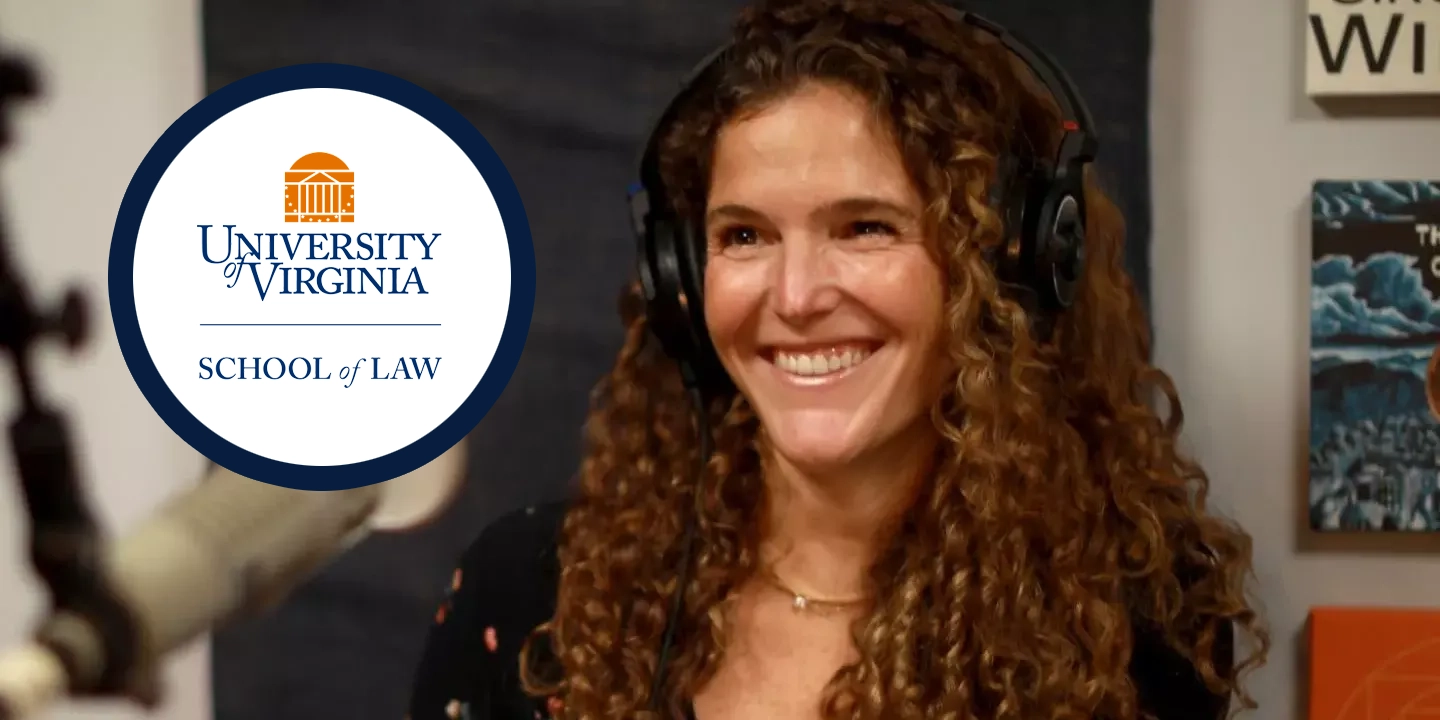
Anna Hicks-Jaco: Hello, and welcome to Status Check with Spivey, where we talk about life, law school, law school admissions, a little bit of everything. I’m here today with Mike Spivey and Mike Burns, and we are very much in the wonky admissions world today, answering questions from Reddit. We talked about predictions for the current cycle and for next cycle. We talked about waitlists, holds, decision timelines—and how they vary for people who applied at the same time or at very different times—scholarship reconsideration, the new student loan caps going into effect this year and how they impact some of these topics this cycle in particular, advice for people who are interested in becoming an admissions officer, and much more.
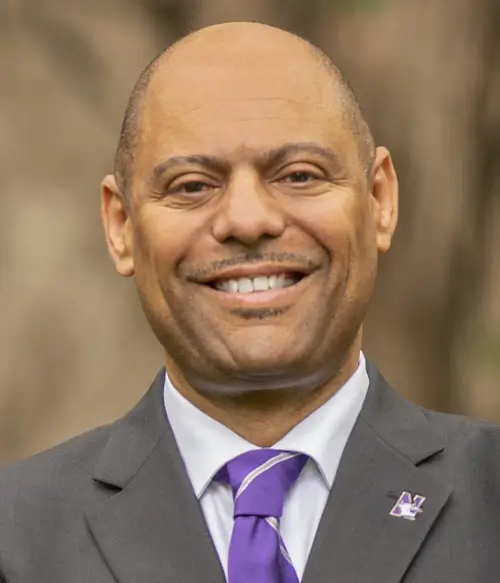
I’m thankful to be joined today by these two true admissions experts. Mike Spivey is our Founder and CEO, and Mike Burns is our Executive Director of Recruitment and a JD Admissions Consultant. Mike Spivey has over 25 years of experience in legal education, and he’s been quoted as a law school admissions expert by The New York Times, Reuters, The Washington Post, The Economist, many more. Mike Burns has been in legal education and admissions for almost 30 years, most recently at Northwestern Law. He’s run multiple admissions offices at the highest level as a dean of admissions, and he’s also a former practicing attorney.
We have quite a few very nuanced questions and limited time to get through them, so let’s jump right in.
[1:23] Very first question up at the top of the thread. Why do schools bother putting people on hold or active consideration, etc.? Why is letting applicants know this good for the process/for the school?
Mike Burns: Sure, so I can start with talking a little bit about holds, active consideration, waitlists. What’s most important to understand is that law schools have really small classes for the most part, maybe, what, 100 students up to 500 students? But they’re pretty small. And it’s really important that law schools bring in the precise number of students that they plan on bringing in. If a law school is planning on bringing in 250, that’s 250 students. So the only way that they can bring in that class is to manage their offers of admissions, and that’s typically working through a waitlist, putting students on hold, using these other statuses to kind of keep students as part of the process while they bring the class in slowly in intervals. And then, as students start to accept those seats in the class, they have a sense of how many more seats they have available, and then they can admit additional students.
The other reason for doing it is because law schools like to mold and shape their classes. So you don’t want to make all of your offers, and then all of your students enroll based upon those offers. You want to have that preliminary class come in and then still have a lot of seats available so that you can mold and shape. Maybe there’s an imbalance regarding gender, or areas of interest, or something else. So you want to have an opportunity of students who are being held, waitlisted, reserved, so that you can go back to that and then mold and shape the class.
[3:03] Mike Spivey: Yeah, the only thing I’ll add is the word notify was, I believe, in the question. So there’s a presumption on my end, “Why don’t they just do nothing and then tell us later?” And research after research—and I got into this when I started in management and had to do performance reviews, but it’s relatable here, too—people would rather even negative feedback, certainly positive feedback, than no feedback at all.
So by telling you, “Hey, we’re still considering you, you’re on hold,” and hold is, you know, a different word sometimes than waitlist; sometimes it’s not indistinguishable. They’re going with the assumption that, after an X-month or week interval, you would rather some sort of notification, even if it’s, “We haven’t rendered a decision,” than not hearing from them for five months.
Anna: Yeah, I mean, you’ll see many posts every year saying, you know, “Hey, I haven’t heard back from X school in three months, four months, five months,” six months sometimes. And people don’t like that. People are upset by that, and I think that’s fair that they want some sort of check-in from the school. And many law school admissions officers are on Reddit. Some of them probably see those types of posts and think to themselves, you know, “Maybe it would be a good idea for us to notify our application pool, ‘We have not forgotten you. We have not lost your application. We are just still working through them.’”
Mike Spivey: My all-time fastest was 12 minutes. “I haven’t heard from a school I submitted 12 minutes ago.” True story. I’ll never—
Anna: Surely that must have been a joke, no?
Mike Spivey: I don’t know. I took it at face value.
[4:23] Anna: That would be very impressive if you got a decision from a school in 12 minutes.
Okay, so next question. So, this is actually a few questions on timelines. First, should we expect to see the volume of decisions scale up in March and April? Second, are February applicants at a large disadvantage this cycle? And third, for applicants who applied early—and this poster defines early as before Thanksgiving—but haven’t heard back, are they destined to be part of a bulk rejection wave later in the spring?
So, the first thing I’ll flag on this before the Mikes get into it is just exactly what Mike Burns was explaining about small class sizes and building a class over time. And this is addressing #3. Just because a school looked at your application at some point earlier in the cycle, if they haven’t made a decision yet, maybe there’s a few days here and there in between when they make a decision and processing, but they haven’t made a decision yet. And that means that there is a possibility that you will be admitted, and that’s not going to be because something changed in your application over the last five months or however long since you applied, but because they are building that class, they’re shaping that class, and seeing what the rest of their applicant pool looks like.
Mike Spivey: To the March and April thing, this is something, obviously, as you both know, I track every day. Applicant volume, admit volume. I would say two quick parts.
One, yes, I think admits and waitlists and denials—not rejections, denials—are going to pick up in these two months, but let me just add the caveat: online, it always feels slow, because the people with more admits just drift away to the next thing in their life, which is preparing for law school or enjoying the beach or whatever, being an active part of their college and university community. So those people drift away. So you’re on a board that, by definition, is more and more percentage of people who haven’t heard relative to more percentage of people who have heard and dropped off.
So I do think, just to be clear, I do think we’ll see more March and more April decisions for sure, because these schools are running up against deadlines. It’s a slow cycle. They have to make decisions. I don’t necessarily think people on message boards, that are like the 20% of the applicant pool, are going to sense it or feel it.
Anna: I totally agree with that. The decisions have been so slow. They are going to have to come out.
And then #2, looking at February applicants, so it’s February 24th when we are recording this. I think we’re going to try to get this out by next week. Folks who are applying at this point in the cycle, where it’s generally considered, by general standards, as “late” in the cycle, are they at a big disadvantage to this cycle relative to other cycles?
[6:47] Mike Burns: I have some thoughts on that, and I don’t know if this is going to be the right answer, but it’s based on my experience and some thoughts. I have seen some February applicants apply in February and get decisions—strong applicants for the schools that they apply to—and be admitted to those schools pretty quickly, because they were strong in that applicant pool. And I know that’s troubling for people who apply very early in the process and who don’t have a decision yet. And you’ve heard the advice from admissions folks that tell you to apply early. So which is it? Is it important that you apply early?
It is still important to apply early in the sense that law schools admit students on a rolling basis, that it’s possible that they fill up their seats early in the admission cycle so when we get to February and March, it becomes more competitive, more selective, or they just don’t have seats left in the class. So while it is important, generally, to apply early, it’s also possible that strong applicants who apply at the point in time in which they are the strongest applicant, and maybe that’s February, and they’re the right fit at the right time.
Anna: Yeah, Mike, that actually ties in really well with the next question, which is, why do some applicants receive results long before other applicants who share similar stats and applied around the same time? So that’s kind of another side of this same question of, why do applications move at different paces throughout the cycle, despite the fact that people call this process, you know, rolling, which implies to a lot of folks that you would expect decisions to come out in the order of submission—which, Mike Spivey, I know you like to talk about. Do you have more to share on this whole timing topic?
[8:24] Mike Spivey: I think Mike Burns and I are probably on the same page, but he didn’t define the word “early.” So this is like the biggest mythology in admissions today, is you have to apply “early.” And I’m guessing when Mike says early, he’s talking about December, and when people who have never done admissions come on to admissions boards and say “you need to apply in September or not at all,” there’s nothing magical about applying in September or October. What’s magical is applying with your strongest application. And to Mike Burns’ point, applying with your strongest application in February very well might be much better than applying with a weaker application with an LSAT score three or four points lower in September. Having done this for 26, 27 years, I would always apply in February with an LSAT five higher than in September. They’re not even comparable in my mind.
So I wanted to throw in that definition of the word “early.” If you applied by Thanksgiving or winter break, you applied in that, what we consider that early pocket. To echo Mike Burns, if you applied in February, in most law schools—in fact, I would argue every law school—they’re not going to be full, because they’re going to have people drop. The typical applicant applies to, what? Nine. It was seven. It might be eight or nine now. So they can only go to one law school.
The typical applicant is turning down six or seven or eight law schools. They’re losing people they admitted, assuming they admitted them. So spots open up February, March, April, May, June, July, August, September.
Anna: Yeah, so it’s certainly possible to get and admit after applying in February. It’s possible to get an admit after applying later than February. Generally, if you’re taking the same exact application, same LSAT score, same everything, and you apply in February, that is going to be disadvantageous—broadly across all schools; it may not be in all situations—than applying earlier on in the cycle, before the new year especially. Would you say, Mike Spivey, that folks who do apply at that later point are at less of a disadvantage this particular cycle because things have been moving slowly relative to faster cycles?
[10:19] Mike Spivey: The last several cycles have been slow. This isn’t a unique phenomenon; we’re trending towards frontloaded admissions. More people apply early. But this, to us, when we look at the data, seems the slowest. That weirdly is in your favor if you haven’t heard yet, because that means there’s more percentage of classes that haven’t been filled with their admits that have gone out. So I think, relative to past cycles, you’re more likely—though this is really dangerous language—relative to past cycles, you’re more likely maybe to get an admit in February or March or April than past cycles. That doesn’t mean you are going to get an admit, but relative to past cycles, I believe probably so.
Anna: The only other thing that I will flag is that we actually have a whole blog about application timing and why some applicants get decisions earlier than others who might have applied even earlier than them. I think we might have a TikTok on it as well. I’m going to link both of those in the show notes. So if you’re more interested in sort of the nuances and walking through the various different factors that cause applicants to get different decision timing, check out those links.
[11:20] So, moving on to our next question. Any general advice on negotiating merit scholarships in terms of timing, especially with the changes to the loan system this year?
Mike Spivey: Given the loan situation—there’s other variables too—would I approach scholarship negotiation any differently this cycle than past cycles? And my answer is no, you wouldn’t approach it differently, but most people—in fact, so many people—approach scholarship negotiation wrong. They make one of two mistakes. They either never ask for more money, which is crazy. You could get 10, 15, 20, 30, 40, 50,000 more, particularly if you aggregate over three years, just by asking once, because schools get money back all cycle long. So always ask. And that’s a huge mistake; so many people don’t ask. And Mike Burns can maybe elaborate a little more on the classic way to ask, which is show your other offers, etc.
But the other mistake would be—and this is a smaller percentage—people rarely, but sometimes, think that all of a sudden they’re a professional-level negotiator, which you might be, but don’t go into this as an aggressive law firm negotiation where there’s zero sum and there’s winners and losers. So still, always ask very politely. Admissions officers still have the ability to say, “I can give you no money because you’re rude or aggressive. I can always give this other person more money.” So it’s not an aggressive negotiation. It’s a touchpoint negotiation of polite asks.
Mike Burns: I can add that I do think, as Mike said, that it’s important that you do ask, that you be courteous, polite about it. I think it’s smart to ask schools whether they have a process for asking if your financial aid or your scholarship can be evaluated again, reconsidered, reevaluated to see what their process is. Some schools have a very specific process, and then you follow that process. But as Mike said—and I’ve said it twice, and we’ll say it one more time—it’s just so important to be courteous, and if the school is interested in seeing what types of awards you have from other schools, making awards available.
[13:24] Anna: Yeah. Good advice from both of you. And I will say, in terms of asking, you’re just leaving money on the table if you don’t ask. And as Mike Spivey said, unless, of course, you go about it in a really rude and aggressive way—which, I will say, and I think this was another question in the thread—they’re probably not, they’re almost certainly not going to be rescinding your admission or whatever scholarship you already have as a result of you asking. And they’re almost certainly not ever going to do that especially if you’re asking nicely. Like if you ask super, super aggressively, is it possible? Yeah, probably. But if you’re going about it in a professional, friendly way, you are not going to get your admit rescinded as a result of asking for scholarship reconsideration.
Regarding the changes to student loans, I actually have a question. I think, in the vast majority of cases, you’re probably not going to be approaching scholarship reconsideration any differently as a result of this specifically, because I think the components are all sort of the same—and I’m going to link some resources on scholarship reconsideration also in the show notes.
But I wonder if there’s a sweet spot where someone is right above the current limit for loans in terms of their overall cost of attendance that they’ll have to be taking out. And if they could say, “Hey, you know, if you could throw in another $10,000 a year,” for example, “then I wouldn’t have to worry about finding private loans. Could you do that?” I could see that being really effective, honestly.
Mike Spivey: Yeah, I like it. I would just add, that would be my second ask, not my first, because in classic negotiation form, if you suggest an amount first, you’re literally conceivably throwing money away. You suggest 10,000, and they were about to give you 20, and they just go down to 10. So my first ask would always be ambiguous, “Do you have any more money?” And then my second ask would be, “I’m only going to be 10,000 over, but I can’t afford that 10,000, so do you have 10,000?”
[14:59] Anna: Yeah. So more to waitlist movement, do you predict more waitlist movement this cycle in general? This is something, Mike Spivey, that you talked a little bit about online. This person says, “It feels like with the Big Beautiful Bill, lots of students may not be able to afford a school, thus causing schools to potentially have to reach more into their waitlist pool. Also interested to hear your thoughts on schools reaching into their waitlist pool before seat deposits.” This person wasn’t aware that this happened, but apparently, one school has already done that this cycle. Thoughts?
Mike Spivey: It’s a good question. Their instincts are right. As you both know, I was recently at the annual law school conference, AALS, because I was a speaker. It’s only for law schools, so generally, admissions consultants wouldn’t go. But because they asked me to be a speaker and since I was there, I went around and talked to all the deans of law schools I could talk to, and this is on their radar, too. They’re aware that there’s likely going to be a lot more waitlist movement. They’re aware that perhaps more than in past cycles, someone’s going to opt for a school a little bit lower in the rankings, whatever that means, for more money, than a school ranked higher for less money because of the loan cap and debt aversion.
Just keep in mind that, unless you’re a top three school, that phenomenon is somewhat prevalent for every law school. So if you’re Columbia, you may have to offer more money to a school ranked a little bit below you. It’s not just in the middle of the rankings; it’s throughout the rankings. In fact, even if you’re in the top three—I know they don’t offer merit aid, but you may have to find other ways to recruit harder—I think those schools are aware that they may lose a little more than before, their yields won’t be as high, because people are going to be more price-sensitive.
Anna: I could certainly see this eliciting more earlier waitlist movement. I’m wondering if there’s a possibility that there might be less later summer waitlist movement as a result of people having to lock in their plans. This is pure speculation; this is not even a prediction. I’m asking you about this thought, Mike.
Mike Spivey: If I had to guess, we’re going to get a lot of waitlist movement throughout the cycle all the way til August and September. You can get cold feet now, and you can get cold feet when deposit deadlines come up, but you also can start looking at how much debt you’re going to have and get cold feet to a waitlist offer that gives you money, or looking at your other offers, all the way throughout the summer. So maybe. And I think schools are aware of this; I think we’re going to see bouncy, bouncy, waitlist movement. That’s a very technical admissions term.
Anna: Bouncy, bouncy waitlist movement. Maybe less movement at schools with tuition numbers—not that there are very many—under $50,000, I wonder.
[17:26] Mike Burns: I can add to this. I agree that there is going to be a bit more activity, but that doesn’t mean that everyone who’s on the waitlist is going to be admitted from the waitlist because this year there’s more activity. Many law schools keep hundreds of students on the waitlist. Some law schools keep more than a thousand on the waitlist. So even if there’s more activity in this cycle, there may be some optimism, but it doesn’t mean that substantially more people are going to be admitted in this cycle.
I would also say that, at the top law schools, there’s so much pressure from applicants to be admitted and to attend the highest-ranked law school that they’re admitted to, which I personally don’t agree with, but there’s so much pressure to do that. I think a lot of applicants are going to find a way, are going to find the money, to go to the schools that they are admitted to. There will be institutions that come up with private loans, and I just think that there’s going to be a lot of creativity in people finding money to attend the law schools that they want to attend, rather than dropping down to a second choice or a third choice.
Anna: Yeah. Thanks for that, Mike. I think that’s very fair.
One thing that I will flag of what you were saying—I think that it’s such a good point, what you were saying at the beginning of that. I do think that admissions officers and former admissions officers have a tendency to think about waitlist movement and the volume of waitlist movement from the law school admissions office’s perspective. Which, you might consider it a massive waitlist year for your admissions office because you admitted 10 people more than you admitted last year and that feels really significant. But if you are waitlisting 700 students, that 10 might not actually feel like much of anything if you are one of those people in that waitlist pool. So that’s a really good point that, like, a lot of waitlist movement does not mean that, because you are on this one waitlist, that means that you have like a really good chance at that one waitlist.
Mike Spivey: The math of waitlists is always interesting. This is to sum up both of your good points. A lot of people are admitted off the waitlist, but guess what? A massive number of people are waitlisted. So, as a percentage, it’s not nearly as lucrative as the aggregate raw number.
[19:29] Anna: Yeah. Okay, getting into predicting next cycle—and I think there are a few questions on this, but the first question that I’m seeing on my list is—what is your prediction for the number of applicants and LSAT scores next year? And Mike Spivey, I think both Mike Burns and I know that this one is directed at you, our predictor extraordinaire.
Mike Spivey: So, for number of applicants, the data for our firm is the only data we have. I mean, we have LSAT retake data. But for the February LSAT—well, to begin with, we don’t even have February retake data yet—number two, we don’t know yet if the February retakers are trying to get off a waitlist or applying next cycle. The June data will be much more beneficial. So all we have is our firm data, and our firm data is that we’re up for inquiries—I mean, you might know better than I do, Anna, when we talked last week—it was 105%, roughly a 100%, mostly for next cycle. It’s impossible to parse out if that’s front-loaded and we will calm down, which I think we will, substantially, and fewer people will reach out to us. Although I’ve been wrong. Anna, you and I joked, I had that run of being right, but we’re wrong also, because prediction is difficult, especially when it involves the future. I just personally can’t see three years in a row of these 15, 18, 20% up cycles. I haven’t seen it happen like that without substantial geopolitical, economic, world factors. So barring a recession—which obviously I can’t predict, barring a recession—I think we’ll be flat or we’ll be slightly up or slightly down.
Now, does that mean the cycle is more competitive? The technical admissions definition of competitiveness is number of applicants versus number of seats filled in the class. That’s how competitive something is. Will law school seats go up? I don’t think so next year. I think they’re going to go down next year, which would make things more competitive if things stay flat.
Now to the LSAT question. LSAC is going 90-whatever percent—it’s a high percent—barring rare extenuating circumstances, LSAC is going mostly in-person. What does that do to how the curve is? I don’t know, but I think the curve has been right-shifted a little bit. I mean, someone asked that in a different question, they asked it very specifically, is a 170 less meaningful? There’s more people scoring in higher bandwidths. Why is that? There’s a million possible guesses. It could be more people are studying. It could be more accommodations. It could be the cheating. I think there is pressure for that, what should be, if it’s a really strong standardized test, a normal, organic-shaped bell curve.
So I do think, if I had to guess, the curve is going to be a little bit more favorable. And by favorable, I mean fewer people in these high bandwidths. That’s a more favorable curve, because you don’t want more people 165 and above. And I think that if I had to guess, and again, this is really tough stuff, it’s going to be kind of a flat, stable relative to this year. Not too up, not too down.
[22:19] Anna: That’s some really good nuance, Mike, in terms of competitiveness and number of applicants versus the statistics of the applicant pool.
We’re pretty close to the April LSAT registration deadline, which, with 1,000 disclaimers—the April LSAT is still definitely within the 2025-2026 testing cycle, it is one of the smaller LSATs, it’s not typically going to be super indicative of all sorts of big things—but I do think April is when you start to see people really taking for the next cycle even though it’s in your current cycle testing. And as of today, we’re two days away from the registration deadline, April LSAT registrants are right about the same, within like 60 people, of the final April LSAT registrants for last year. Which, registrants do tend to go down, so they’ll go up as we get to the deadline, since we still have two days, and then they’ll go down again afterward as some people who registered decide not to take the test. So I would say that the data that we do have so far—which is again, disclaimers, super early, still technically a this-cycle test—does lean toward the flat, Mike. And that’s very limited data, as you were saying. Our predictive power is slim when it is February 24th before the cycle.
Okay, so somebody asked for general advice on getting off of the waitlist. We recently did, last cycle, a deep dive on waitlists. So I’m going to post that episode. It has a ton of strategy, it has a ton of information on waitlists and getting off of the waitlist, much more than we have the time to cover today, so check out that link.
[23:44] Okay, so this commenter asks, “I have not heard back from a school I applied to in September, and that school has already admitted and waitlisted and denied a vast majority of people from that time. Is there anything I can do to help my chances of getting admitted?” And I think that we can also broaden this question into, generally, when is it a good idea to check in with the law school when you haven’t received any decision yet? You’re not waitlisted, you’re not sending a full letter of continued interest, you’re just waiting.
Mike Burns: From the perspective of the law school, I think that they just want you to wait. As they go through the applications, they’re probably overwhelmed with applications, and they’re getting through them as they can. So, generally, law schools kind of want you to wait.
But at a certain point, I do think it makes sense just to make sure that your application is complete, is queued. Make sure that you’ve checked your status and that your status says that you’re complete, or something other than that, so that you know you have the right status. I’ve also advised clients to consider sending an update even though they haven’t heard anything. Maybe there’s some kind of update that you send them, because it causes someone in admissions to open up your file. I’ve worked at several schools, and someone has sent in an update to their application, it’s been a resume, and the processor opens up the file and says, “Oh, crap, we forgot to assign this to someone. So now we’ll assign it to a person.” So I do think at some point—and maybe Mike Spivey has some comments about when you would do that timing—but just to send an update just to cause them to open up your file and make sure that you’re in the right status.
[25:26] Mike Spivey: Yeah, it’s wonderful advice. Mike Burns’ answer, which was fantastic, presupposes that there’s nothing you can do data-wise. I mean, obviously, you could retake it in April. Having done this so long, if I was below my dreams school’s median, I would probably strongly consider that if I had the time to study and the resources. Or if I had an updated GPA that took me from below the school’s median to at or above, I would obviously update that. So there are those data.
But to the cannonball analogy, think of these old revolutionary war ships, and you’re on one ship, and the law school is another ship. And you only have eight cannonballs. Eight to use throughout the cycle. You’ve already probably used three or four—you submitted your application, you visited a school, whatever, you followed up with an email. You only have eight, or six. Do you want to use all eight? Of course you do. I mean, they’re yours. It’s like a professor saying, “You get to take three tests, and I’m only going to take your highest score. Do you want to take all three?” Of course.
But you want to use them at a tapered pace as the other ship gets closer to you. And the other ship getting closer to you is literally as the cycle progresses and as the school moves on. The reason why I love Mike Burns’ story so much, or answer so much, is, I cannot tell you—it’s probably in the hundreds if not thousands—how many applicants I have said, if you reach out and catch lightning in a bottle, if you get that admissions person by luck, you can time the luck a little bit after they’ve had their deposit deadlines, whatever, where they need to admit 10 people that day, and you email that person at the right time, do they want to go look at the 2,000 people in their waitlist pool, or do they want to click on your name and trace it to your application? So you definitely want to reach out, but you just can’t be doing it every week to hope to catch that lightning in a bottle, or they’re going to throw you into the deny pool. It’s a funny game of, use those cannonballs, but pace them out.
Anna: Yeah, I mean, I think that if you haven’t reached out since September—like if we’re looking at this original comment—if you haven’t reached out since September, you haven’t heard from the law school, I would say reach out. I would certainly reach out at this point. I would reach out in a very friendly, enthusiastic way. I would be very brief in my email. I would not be filling up their inboxes with a full letter of continued interest at this point when you haven’t heard back. But yeah, I would certainly reach out if you applied super early and have not heard anything and have not contacted them. But if you emailed them last week, if you emailed them two weeks ago, you emailed them three weeks ago, probably don’t reach out again.
[27:48] Okay, we have a question that I really like. This person says, “I suspect softs matter more than most people think they do, even if numbers remain king in the process. I also suspect ‘soft tiers’ are admissions pseudoscience, and it’s about how good of a story you weave through your softs. Am I on the right track here?”
And I’ll provide just a brief bit of context, on the off chance that someone is listening to this who does not know about the law school admissions subreddit or hasn’t spent time on there. But applicants use terminology of “soft tiers,” where they’ll say, you know, “I have tier one softs,” or “I have tier two softs,” and it is a reflection of how they sort of categorize their soft factors, all of the things in the application that are not their numbers, in terms of quality relative to the rest of the applicant pool.
I don’t think this is something we’ve ever talked about on our podcast, to my knowledge, but it is interesting. It’s one of those sort of applicant-created terminologies that, to my knowledge, I don’t think any admissions officers use.
Mike Spivey: I love it when applicants come up with terminology. So, “splitter”/”reverse splitter” came from the applicant pool, not from law schools. We used to just call them splitters, or we had our own terminology, but now everyone says splitter. That was an applicant. Dave Killoran has invented, over 20 years ago, a couple of words that are now part of the lexicon of LSAT. I invented the term “counter-cycle,” so if you Google “counter-cycle Spivey,” you’ll see that I bought myself a stalker for a couple of years who, for multiple years, made many accounts asking me if we were in a counter-cycle. They created a whole Facebook page about that. So I love it when the market comes up with words and admissions officers don’t.
But let me answer the question at hand. To the point about softs mattering more, I used to hate the word “holistic,” because it was no different than going around law school fairs and every law school saying “our faculty has an open-door policy.” When every law school says they read files “holistically,” I kind of tune out. But now I’ve started using that word in the last two years, because softs do matter more. Because when US News made 58% of their metric about outcomes, employment and bar passages, and they greatly diminished LSAT and GPA, softs started mattering more.
Interviews are the best example of all that. If you’re going to try to figure out if someone’s employable, from my perspective—and I think a lot of deans of law schools would agree—the best means we have right now is to interview them and see how well they do in an interview.
It’s a great question. I’ll end it on a simple note. Softs do matter more, which also might be why things are going slower. I would argue that applications are being read more holistically and slower—because the people at law schools I talk to the most are deans of law schools; the person I talk to the most, sadly, is Anna every morning at 6:00 AM—but the people in law schools are deans, and they are saying, “We are asking our admissions office to consider interviews and softs.” And I don’t know what a tier-one versus a tier-three soft is. Mike Burns can talk about it; Anna, you can talk about it. I see the lexicon and I read the examples, but I do know that softs themselves matter.
[30:43] Mike Burns: It is so funny to me to read online applicants talking about they have five softs or three and different things like that. Again, having worked in admissions for 30 years, I never used terms like that, never talked about it in that way. As Mike Spivey said, it’s entirely created by applicants.
What I would add to what Mike said is that softs probably do matter more, but softs are still not taking the place of LSAT and grade point average. They matter more in the sense that, in a really competitive cycle, when you have strong applicants based upon LSAT and grade point average, you’re not going to be admitted just on the strength of those numbers. Law schools have the luxury of wanting to know that you can interview well, that you have professional work experience, maturity, all of those things. So sometimes what law schools mean by that they value softs and they take everything into account, they don’t mean that those soft factors and that their approach replaces the hard numbers, but they have the luxury of looking for applicants that bring everything.
Mike Spivey: Every year, almost every law school has someone with the exact same UGPA and LSAT admitted, waitlisted, and denied. So by definition, softs matter, because the people getting admitted have the stronger softs, because the numbers are held constant.
Anna: Yeah. Good points from both of you. The thing I’ll add about the sort of soft “tiers,” as far as whether they are admissions pseudoscience, I think a little bit. I get why people want to categorize these things, especially as softs do become more important in this process. You used to be able to look at those graphs of admissions decisions and numbers, and they used to look a lot cleaner than they do now. There’s a lot more of those softs that have to differentiate between applicants because, as Mike Burns was saying, there just are more high-stat applicants.
So I get why people want to differentiate. I get why people want to sort of categorize themselves to try to figure out, “Okay, yes, this person got in with these numbers, but they also have tier one softs,” or “What happened to this person? Well, they have really bad softs.” And I think that has some worth and some value if you are trying to figure out where are people getting in and where are people not getting in and what does that mean for my chances. I do think it’s on a very—I’ll use your previously hated word, Mike—I do think it’s on a very holistic level. Like, I don’t think that you should be making graphs and studying data using, like, tier one softs got X data and categorizing it in that way, because I don’t think it’s scientific enough, going to the pseudoscience question, to do that. But I think if you’re just sort of looking at data holistically and assessing, “Oh, I have amazing softs,” or “I have, like, really bad softs,” then yeah, there probably is some meaning there. I think there’s probably a whole section in the middle where there’s very little differentiation. So I wouldn’t rely on it too much. I do get the instinct to try to categorize yourself in that way.
And then to get to the slightly deeper level of that admissions pseudoscience notion, is it the softs you have, or is it how good a story you weave through your softs? I think both of those are important. There are plenty of objective soft factors where, if you have them on your resume, just the fact of having them on your resume is going to be very impressive. You know, people pull out the Rhodes Scholar example because it’s an easy one that people really know. Like, if you have that on your resume, yes, it is going to reflect well on you.
And then, I do think that the story weave is really important, and I think that people can add up to stronger softs than the sum of their parts. Like, you might not have super differentiated and super interesting experiences on your resume, but if they all come together to form a picture of someone who is just super professional, super employable, just a great community member, you can absolutely come out with an admissions officer reading your application and thinking, “Wow, that’s just a really, really strong applicant,” separate from their numbers.
Mike Spivey: Admissions is really about two things, differentiating positively—a 180 differentiates, being a Rhodes Scholar differentiates—and being more than the sum of your parts. That’s what leads to an admit or a waitlist and then admit.
[34:36] Anna: Okay. “How do admissions committees think about applicants who write about experiences with institutional injustice or systemic failures? What separates a narrative that feels thoughtful and growth-oriented from one that comes across as grievance-driven or adversarial?” And this commenter adds, “I’ve experienced failures within the legal system, which is my motivation for pursuing law, but I don’t want to come across as antagonistic.”
Mike Burns: It’s hard to generalize that without seeing a specific essay that someone has written and to be able to comment on those essays, because sometimes I’ve seen it where it’s been thoughtful and well done, and I’ve seen others—for example, I can think of an essay I read recently where it was very critical of a particular government agency and a system, and my concern in reading it is that you might have readers that think well of that agency, who worked for that agency, it was the pride and joy of their lifetime to have the honor to have worked for that particular agency.
I would never say not to write in that way about those topics, but there’s some caution in doing that, that it could be written with the wrong tone. It’s just hard for me to kind of know what it is. It’s one of those things where I read it, and it just doesn’t strike the right tone. So I guess the advice I would give is to maybe get some feedback from others, to have other people read it, and to give you their feedback about how they take it.
Mike Spivey: I agree a hundred percent with Mike. In fact, I would say always get feedback before you submit, even if it’s just editorial grammar feedback.
It’s a great question. Some of the best essays I’ve ever read, best personal statements or addenda, have been about an injustice. Some of the worst essays I’ve ever read have been about injustices. And why are they some of the worst? Because they get too heavy in the law. Keep in mind, many if not most admissions officers have JDs, have at minimum three years’ training that you don’t have. By definition, if you’re applying to law school, you probably don’t have a JD. And if you get deep into, “This is how I interpret the law,” those have always been, to me at least, some of the worst ones, because you’re not a lawyer. You’re not being asked as a personal statement to interpret the law, but to give your narrative.
Anna: Yeah, good advice from both of you. The last thing that I will add, especially as this question asked about coming across as thoughtful and growth-oriented, the words that Mike Spivey and I liked to use when we would work with clients jointly was “forward-looking optimism,” which is typically what we recommend a personal statement to end with. And I think that’s really, really important for this type of essay, coming across with that growth-oriented mindset.
It’s having that element at the ending, where, yes, you may have experienced these truly horrific injustices. You might have experienced things that have no excuse and no positive element to them. But if that is part of your motivation for going to law school, then presumably you do have some optimistic goal associated with that, right? You want to change that system. You want to help that system grow into something better. So I think having that optimistic component at the end, where you’re looking forward to the future and what you hope to contribute to in the legal field, I think that’s really going to be helpful in this pursuit.
[37:40] Okay, so I think we only have time for one more question, but I did want to get this one in, because I think it’s fun and interesting and not something we talk about a whole lot. This poster asks, “Do you have any advice for incoming law students who are interested in becoming an AdCom one day”—or an admissions officer—”after practicing for a bit? Is there anything we can start doing in school or early in our career to keep that door open?”
Mike Burns: I’m not sure why anyone at this point would have decided that they want to work in admissions; I would suggest that you become a lawyer, practice law, and see where that takes you, and if, after doing that for a while, if you have an interest, then it’s great. But I would say, during law school, there are a lot of opportunities to get involved with an office of admissions. There are students who provide tours, who speak with applicants, admitted students. There are some law schools that have law students that review files and they make comments. So there are a lot of ways that you can get involved as a student ambassador or in some other way if that’s of interest to you.
Mike Spivey: Yeah. And then we’ll end on Anna’s story on how she got into admissions. But just full disclosure, I freaking love admissions. I love reading about admissions. I love reading the questions. Like, why would I, on a Sunday morning, or on my birthday yesterday, be answering questions on Reddit when we’re up 105%? We’ve no branding need, but admissions fascinates me. All the vectoring, all the nuanced strategy. And I could speak probably months on different strategic things you could do. So I think admissions is super cool.
On the flip side, to Mike Burns’ point, I’m going to guess that the vast majority—we’re talking upward of 90%—of people who do admissions for a living didn’t say when they were applying to law school, “I want to be an admissions officer.” For me, like almost everyone, it sort of fell into my lap in a weird way. I went to Vanderbilt to get my PhD, and as part of that program, they wanted you to have some sort of job. And I didn’t want to be a researcher, so they stuck me in the law school reading admissions files.
And to be quite honest—I’m not sure if I’ve ever said this—my first couple of years in admissions, I didn’t love admissions. I loved traveling with other people in their 20s and getting to stay at relatively nice hotels and fly around the country for free. Which goes to me answering the question. A lot of people love the outcomes, but they don’t love the process. To begin with, you’re going to have to love the process. There are people every year that do.
And then I would still say, beyond Mike’s advice of exposure, getting involved in student ambassador groups, I would say go do something, and see after a year or two if that love for the process calls you back. You’re going to be more hireable if you have probably a year or two experience than if you’re trying to put yourself through the front door of the admissions dean’s office as a student.
[40:27] Anna: Yeah, so I can end, as Mike said. I will be the odd person out and say that I did start becoming interested in admissions when I was applying to law school. I will say part of that was that I went and got a job, got an internship for an admissions consulting firm, so part of that was that, and getting to see that inside view of it, which most applicants don’t get to hear former admissions officers talk to them on a day-to-day basis about their admissions process. And I did really love my law school admissions process, and I do think that that can be an indicator of whether admissions is something that interests you generally.
Although, if you do decide—you know, and it doesn’t sound like this applies to this commenter, who wants to go in practice for a bit—but if you do decide while you’re applying to law school, “I absolutely want to go and do higher education admissions, that’s what I want to do,” you may want to look into some degrees apart from JDs that could potentially be more valuable for you. A JD might not be the best choice if that is your, really, only goal. But again, it doesn’t sound like that’s the case for this commenter. They want to go and practice.
For me, Mike, honestly, I don’t think that my particular story is all that instructive for most applicants, because then my advice that I would be giving is come to me and try to get a job from me, which is not something that is sustainable for very many people. But I do think that going through your admissions process, you can realize that, “Hey, I have a real interest in how this process works, not just for myself and what it means for my admissions chances, and not just in a way that has me anxiously checking Reddit, but, you know, a real intellectual engagement and curiosity with the process of admissions, with the reasons that admissions officers make decisions, with the developments that happen in admissions.” If you are applying to law school right now, you’re applying during a time when a lot of things are changing. A lot of things are shifting in the world of admissions that make things harder for a lot of admissions officers. I think if you’re interested in those sorts of topics and potential ways of helping the admissions industry to grow and develop in positive ways, then, I mean, yeah, pay attention to those things, and maybe admissions is the right path for you.
Mike Spivey: I would slightly disagree with you, Anna, on your life story.
Anna: Okay!
Mike Spivey: You got a job at a great admissions consulting firm—I’m biased. You had an inside window. You could have stayed at that firm, but you went to UVA Law on a Dillard.
Anna: That’s true.
Mike Spivey: Right? So you tested the waters, and then we had a phone call, and you decided admissions was more of a passion than practicing law.
Anna: That’s true, I did do law school for a couple of semesters before deciding, and determined that this was the path for me. Okay, well, thank you so much to our listeners. Feel free to come back through the rest of the cycle. We’ll keep talking about waitlists, we’ll keep talking about scholarships, and we’re going to link a bunch of resources in the show notes, so check those out. And best of luck for everyone for the remainder of their cycle. And thank you to Mike Burns and Mike Spivey for joining.
Mike Spivey: Thanks for having us.
Mike Burns: Thank you.
Anna: Bye, everyone.

.png)